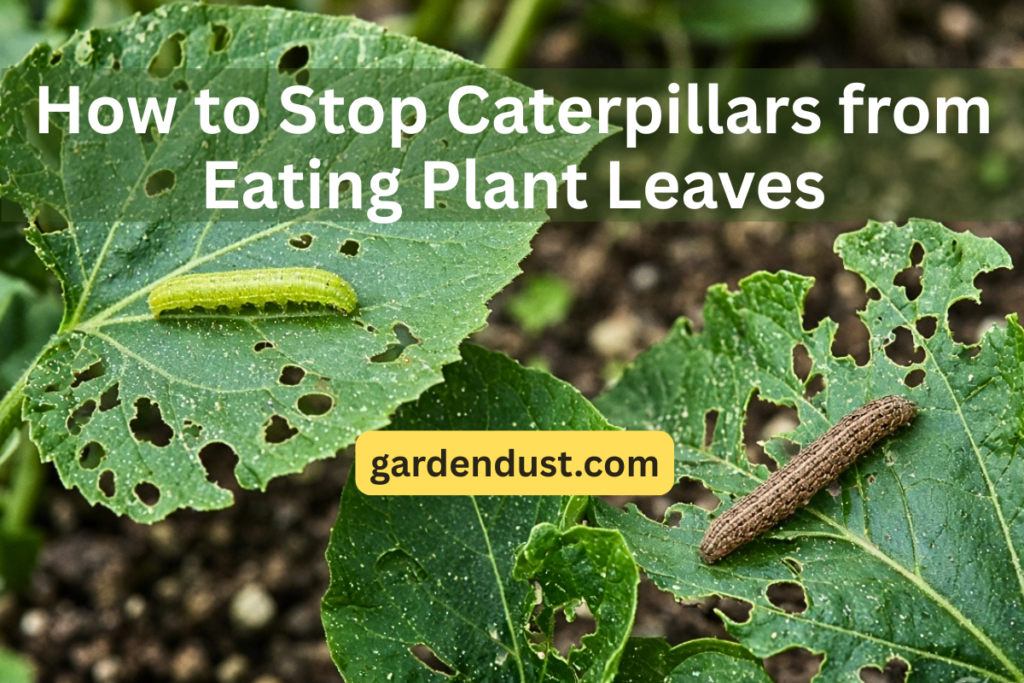
Caterpillars can turn healthy leaves into lace overnight. These hungry larvae of moths and butterflies chew holes, skeletonize foliage, and leave behind droppings (frass). Left unchecked, they weaken plants and reduce harvests of vegetables, herbs, and ornamentals.
The good news: you can stop most caterpillar damage with simple, targeted methods that protect beneficial insects and pollinators. Here is a practical, SEO-friendly guide focused on effective organic and low-impact controls.
Signs of Caterpillar Damage
Look for:
- Irregular holes or chewed leaf edges
- Leaves reduced to veins (skeletonizing)
- Dark green or black droppings on leaves or soil
- Rolled or webbed leaves (some species)
- Actual caterpillars on the undersides of leaves, especially early morning or evening
Common culprits include cabbage loopers, imported cabbageworms, tomato hornworms, cutworms, and armyworms. Identification helps choose the best control, but the methods below work on most leaf-eating caterpillars.
1. Handpick Them Regularly
For small gardens or light infestations, handpicking is one of the most effective and chemical-free options.
Inspect plants thoroughly, paying special attention to the undersides of leaves and new growth. Wear gloves if preferred. Drop caterpillars into a bucket of soapy water or relocate them far from your garden (if they are butterfly species you want to preserve). Crush any visible egg clusters (often yellow, white, or green dots on leaf undersides).
Check plants every few days during peak season. Early action prevents population explosions.
READ ALSO :-How To Control Leaf Cutter Bee-6 methods
2. Apply Bacillus thuringiensis (Bt or Btk)
Bacillus thuringiensis var. kurstaki is a naturally occurring soil bacterium that specifically targets caterpillars. When larvae eat treated leaves, the bacteria produce toxins that stop them feeding within hours; they die in 1–3 days.
Bt is highly selective—it does not harm bees, ladybugs, lacewings, birds, pets, or humans when used as directed. It is one of the safest and most reliable organic tools for caterpillar control.
Spray both the tops and undersides of leaves thoroughly so caterpillars ingest it. Apply in the evening (sunlight breaks it down quickly) and reapply after rain or every 5–7 days during heavy pressure. It works best on young caterpillars.
3. Use Neem Oil or Other Botanical Sprays
Neem oil (containing azadirachtin) acts as a feeding deterrent, growth regulator, and mild insecticide. It disrupts caterpillars’ ability to molt and feed.
Mix according to label instructions and spray foliage thoroughly, including undersides. Apply in early morning or late evening to avoid harming bees and to reduce leaf burn risk. Reapply every 7–10 days or after rain.
Homemade options include garlic-chili sprays or mild soapy water solutions. These can deter or kill soft-bodied larvae but are less consistent than commercial neem or Bt and may need more frequent application. Always test on a small leaf area first.
4. Install Floating Row Covers or Netting
Physical barriers prevent adult moths and butterflies from laying eggs on your plants in the first place.
Cover susceptible crops (especially brassicas like cabbage, broccoli, and kale) with lightweight floating row covers or fine insect netting right after planting or transplanting. Secure the edges firmly to the soil. Remove covers temporarily for pollination if growing flowering crops that need insects, or choose self-pollinating varieties.
This method is highly effective for prevention and requires almost no ongoing effort once installed.
5. Encourage Natural Predators
A healthy garden ecosystem keeps caterpillar numbers in check.
Attract parasitic wasps (such as Trichogramma), lacewings, predatory beetles, and birds by planting a diversity of flowers (dill, fennel, yarrow, alyssum, and native plants work well). Avoid broad-spectrum insecticides that kill these beneficials. Install bird feeders or birdbaths nearby.
If you spot caterpillars with white rice-like cocoons on their backs, leave them—they are already parasitized and will not survive.
6. Maintain Good Garden Hygiene and Cultural Practices
- Clear plant debris and weeds at the end of the season; many caterpillars or pupae overwinter in garden trash.
- Rotate crops so the same plant family is not in the same spot year after year.
- Keep plants healthy and well-watered—vigorous plants tolerate minor damage better.
- For cutworms specifically, use cardboard collars around seedling stems and cultivate soil lightly to expose them.
READ ALSO :-How to Get Rid of June Bugs: 5 Easy Methods
Putting It All Together: An Integrated Approach
Start with monitoring and handpicking. Add row covers for high-value or highly susceptible crops. Use Bt or neem at the first sign of significant damage. Support beneficial insects year-round. This combination usually keeps caterpillar damage to acceptable levels without harsh chemicals.
Remember that some caterpillars become desirable butterflies. If you have space, consider planting extra dill, parsley, or milkweed in a dedicated area so you can enjoy both the pollinators and your vegetable harvest.
With consistent observation and the right tools, you can protect your plant leaves effectively while keeping your garden balanced and productive. Check plants regularly, act early, and enjoy healthier foliage all season. Happy Gardening…