Think the vegetable-growing season is over just because summer is ending? Think again! Fall can be one of the best times to grow certain vegetables, especially fast-growing cool-season crops.
Cooler temperatures can be easier on leafy greens and root vegetables than the heat of summer. With the right varieties and growing conditions, you can enjoy fresh harvests without waiting until spring.
Here are 11 vegetables you can still plant in fall for a quick harvest.
1. Radishes
If you want one of the quickest vegetables for a fall garden, start with radishes.
Many radish varieties mature in roughly 3–6 weeks, making them ideal when you don’t have months to wait for a harvest.
Plant the seeds directly into loose, well-drained soil and keep the soil consistently moist while they germinate.
Cool fall weather can also help produce crisp, flavorful roots.
Garden tip: Sow small batches every week or two instead of planting everything at once for a more continuous harvest.
2. Lettuce
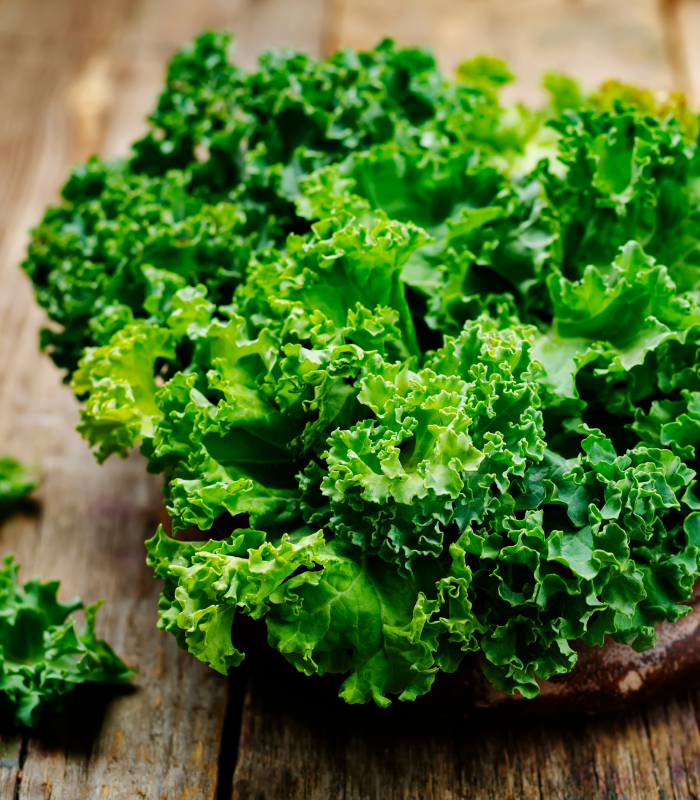
Lettuce is another excellent choice for a fall vegetable garden.
It grows quickly and generally prefers cooler conditions over intense summer heat. Depending on the variety, you can begin harvesting young leaves within several weeks.
Plant lettuce where it receives adequate sunlight, while protecting it from extreme heat if temperatures are still warm.
For a quick harvest, choose leaf lettuce rather than varieties that require a long time to form full heads.
Bonus: Harvesting the outer leaves allows the plant to continue producing new growth.
3. Spinach
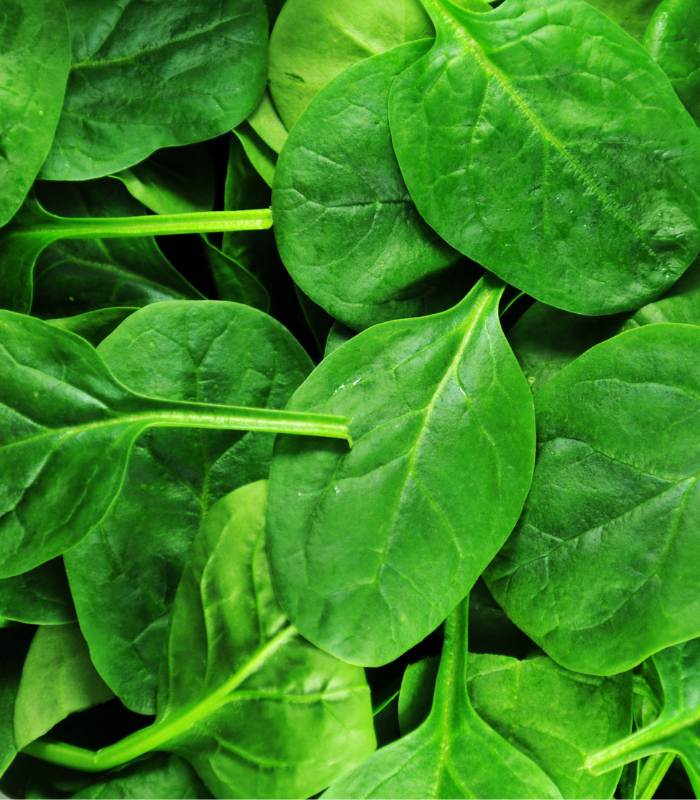
Spinach thrives in cooler weather and can be especially rewarding in a fall garden.
You can harvest baby spinach relatively quickly, while mature leaves take longer. Plant seeds in fertile, well-drained soil and keep the soil evenly moist during germination.
Spinach can tolerate cool temperatures better than many warm-season vegetables.
Garden tip: Harvest outer leaves first and allow the center of the plant to continue growing.
4. Arugula
If you enjoy peppery greens, don’t overlook arugula.
It grows quickly and can provide young leaves in just a few weeks under suitable conditions.
Plant arugula seeds directly in the garden or containers. Keep the soil moist and harvest the leaves while they are young and tender.
Fall’s cooler temperatures can help keep arugula from becoming overly bitter or bolting as quickly as it can during hot weather.
Quick-harvest idea: Pick only what you need and allow the remaining leaves to keep growing.
5. Mustard Greens
Mustard greens are another fast-growing crop that can fit nicely into a fall garden.
They prefer cool weather and can be harvested as baby greens or allowed to grow larger.
Mustard greens can add a spicy flavor to salads, sandwiches, soups, and cooked dishes.
For the quickest harvest, pick young leaves rather than waiting for the plants to reach full maturity.
Tip: If your weather is still warm, provide some afternoon protection until temperatures cool down.
6. Baby Carrots
Carrots aren’t always considered a quick crop, but choosing small or baby carrot varieties can shorten the waiting period.
They need loose, stone-free soil so their roots can develop properly. Keep the soil consistently moist while the seeds are germinating, because carrot seeds can take some time to emerge.
Baby carrots can be harvested earlier than full-sized varieties.
Garden tip: Thin crowded seedlings early. Giving individual roots enough room can help them develop more evenly.
7. Turnips
Turnips are an excellent choice when you want both edible roots and greens.
Many varieties grow relatively quickly, and the greens can often be harvested before the roots are fully mature.
Sow seeds directly into the garden and thin seedlings once they emerge.
Cool weather can encourage tender, flavorful turnips.
Bonus: Don’t throw away the leaves—they can be cooked or added to dishes while the roots continue developing.
8. Beets
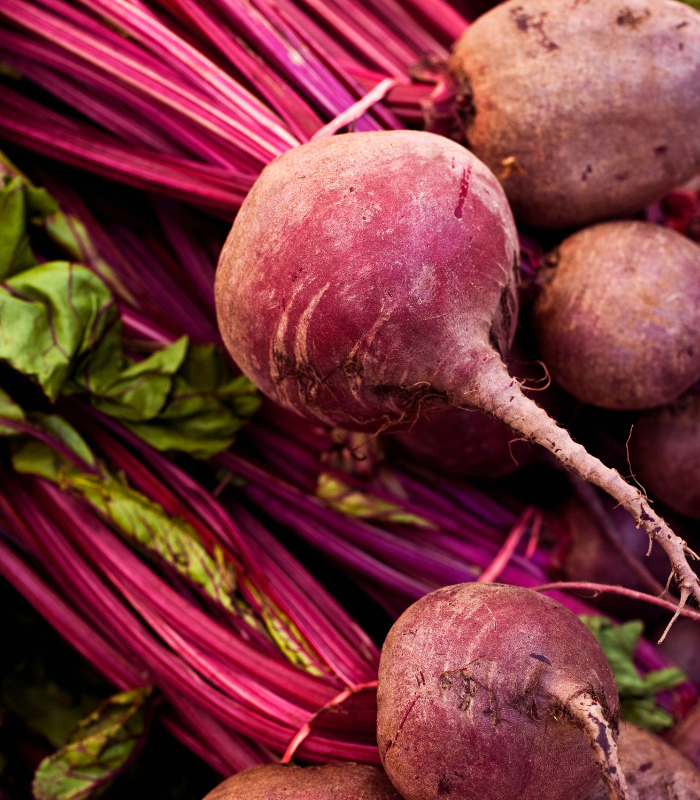
Beets can be a useful fall crop because both their roots and greens are edible.
They prefer cooler growing conditions and can be planted directly from seed.
Young beet greens can provide an earlier harvest while you wait for the roots to develop.
Soak or thoroughly moisten beet seeds before planting if needed, and keep the soil consistently moist during germination.
Garden tip: Thin seedlings carefully. Crowded plants compete for space and may produce smaller roots.
9. Peas
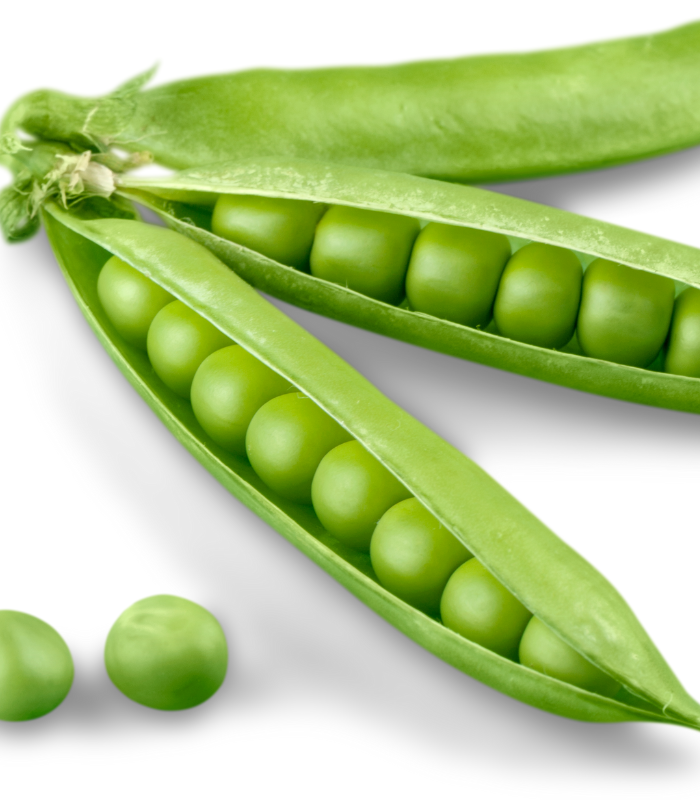
Peas can be a rewarding cool-season vegetable when planted at the right time.
Choose a variety suited to your growing season and provide a trellis or other support for climbing types.
Peas don’t appreciate extreme heat, so planting them as temperatures begin to cool can give them better growing conditions.
Depending on your climate and variety, you may be able to harvest young pods relatively quickly.
Tip: Check your variety’s days-to-maturity and count backward from your expected first frost date.
10. Bok Choy
Bok choy is an excellent candidate for a fall garden because it generally prefers cooler weather.
Baby bok choy varieties can be particularly useful when you’re looking for a quicker harvest.
Plant in fertile soil and keep the plants consistently watered. Harvest baby plants whole or pick individual outer leaves as they grow.
Watch for pests: Caterpillars, flea beetles, and other garden pests can still be active during early fall, so inspect leaves regularly.
11. Green Onions
Green onions are a convenient crop when you’re short on time or space.
They can be grown from seed, sets, or suitable transplants, depending on the variety.
Because you’re harvesting the green tops rather than waiting for large bulbs, they can provide a useful harvest relatively quickly.
They also grow well in containers, making them a practical option for small gardens and balconies.
Garden tip: Plant a few rows at different times so you don’t have everything ready to harvest at once.
How to Get a Faster Fall Harvest
Planting the right vegetable is only part of the equation. A few simple steps can help your fall crops get established faster.
Choose Fast-Maturing Varieties
Look for varieties with a shorter days-to-maturity period. This is especially important if your growing season is already getting shorter.
Prepare the Soil First
Remove old summer crops and weeds, loosen compacted soil, and mix in finished compost if needed.
Healthy soil gives new seedlings a better environment for establishing roots.
Keep Seeds Moist
Fall weather can sometimes be dry, and newly planted seeds need consistent moisture to germinate.
Water gently and regularly rather than allowing the soil to repeatedly dry out.
Protect Young Plants
If temperatures suddenly drop, lightweight row covers or other appropriate protection can help protect tender seedlings from cold conditions.
Don’t Ignore Sunlight
As the season changes, the sun sits lower in the sky and shadows can become longer. Choose a location that still receives enough sunlight for your vegetables.
Which Fall Vegetables Grow Fastest?
If you’re mainly interested in speed, start with:
- Radishes
- Lettuce
- Arugula
- Mustard greens
- Baby bok choy
- Green onions
These are particularly useful when you want something you can harvest relatively soon rather than waiting through a long growing season.
Final Thoughts
A summer garden doesn’t have to be your last garden of the year. With the right crops, fall can give you another opportunity to grow fresh vegetables before winter arrives. Radishes, lettuce, spinach, arugula, mustard greens, turnips, and other cool-season crops can make excellent choices when temperatures begin to drop.
The most important thing is timing. Check your local growing conditions, first frost date, and the maturity time listed for your chosen variety before planting. So, before you put your gardening tools away for the year, take another look at your empty beds. Happy Gardening…