Watering your houseplants regularly may seem like the best way to keep them healthy, but too much water can be just as harmful as too little. Many popular houseplants actually prefer their soil to dry out between waterings.
Overwatering can lead to yellow leaves, weak growth, root rot, fungus gnats, and eventually a dying plant. If you tend to reach for the watering can every few days, it may be time to slow down.
Here are 11 houseplants you should stop watering so often and what to know about their watering needs.
1. Snake Plant
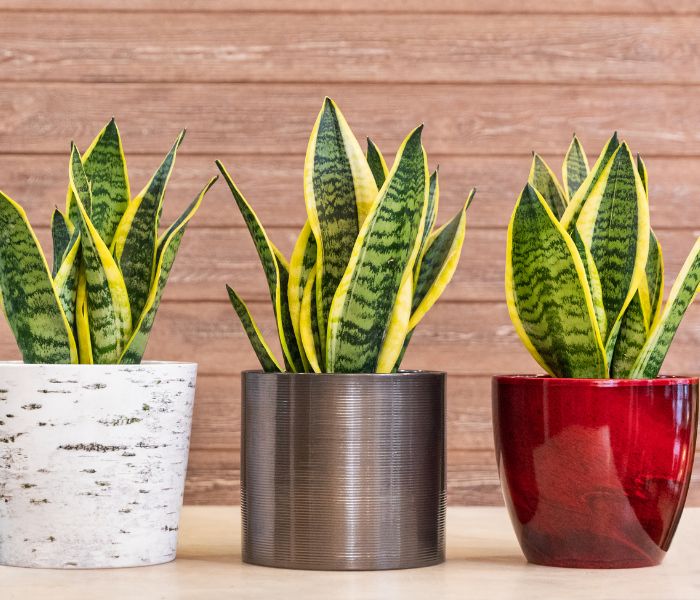
Snake plants are among the easiest houseplants to overwater.
Their thick, upright leaves store water, allowing them to tolerate dry conditions for quite a while. Instead of watering on a fixed schedule, check the soil first.
Let the potting mix dry out thoroughly before watering again. During winter or in low-light conditions, your snake plant may need water even less frequently.
Tip: A pot with drainage holes is essential because constantly wet soil can cause root rot.
2. ZZ Plant
The ZZ plant is practically built for periods of dryness.
Its underground rhizomes store water, which means it doesn’t need frequent watering. In fact, watering too often is one of the easiest ways to damage a ZZ plant.
Allow most or all of the potting mix to dry before watering thoroughly.
Watch for: Yellow leaves and soft stems can be signs that the plant is staying too wet.
3. Pothos
Pothos are forgiving plants, but that doesn’t mean they enjoy constantly wet soil.
Allow the top few inches of soil to dry before watering. A pothos growing in bright indirect light may use water faster than one sitting in a darker corner.
Rather than watering because it’s a certain day of the week, check the soil.
4. Jade Plant
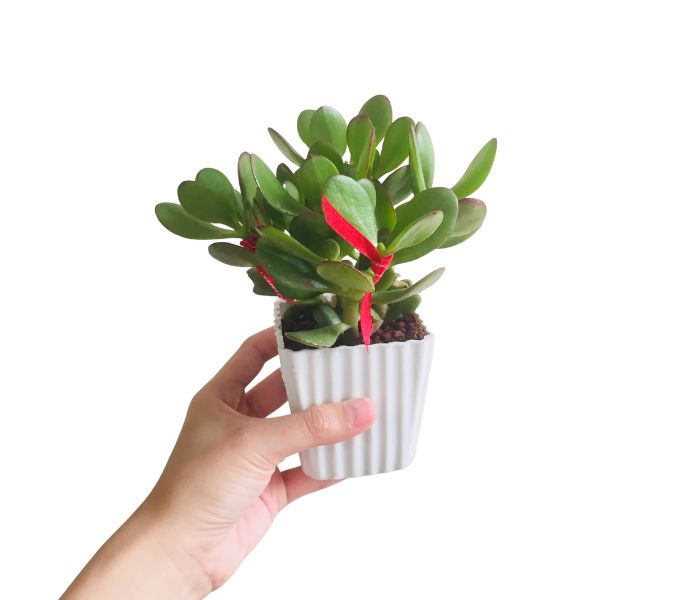
Jade plants are succulents, so they naturally prefer less frequent watering.
Their thick leaves and stems store water for later use. Let the soil dry out well between waterings, then water thoroughly and allow excess water to drain away.
Overwatering is a common problem with indoor jade plants, especially when they’re kept in containers without good drainage.
5. Aloe Vera
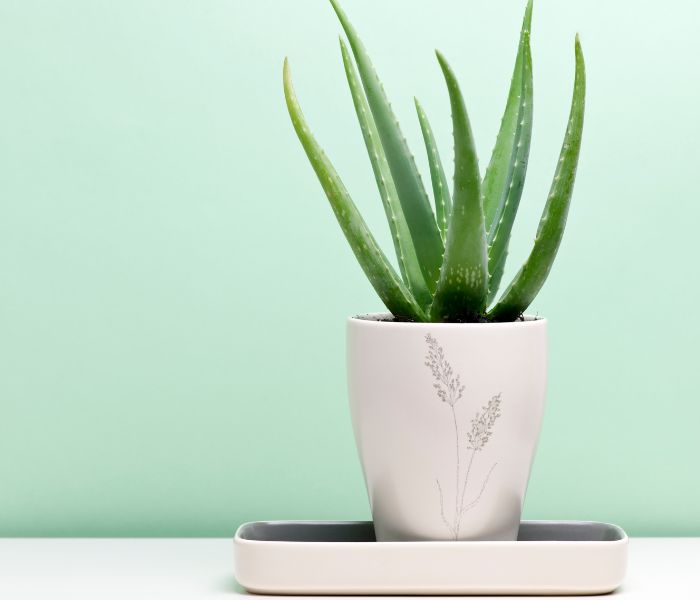
Aloe vera doesn’t need to be watered like a typical tropical houseplant.
Its fleshy leaves hold plenty of moisture. Wait until the soil has dried out significantly before watering again.
Aloe vera also needs good drainage. If water sits around the roots for too long, root rot can develop.
Simple rule: When in doubt, it’s generally safer to wait a little longer than to keep the soil constantly wet.
6. Rubber Plant
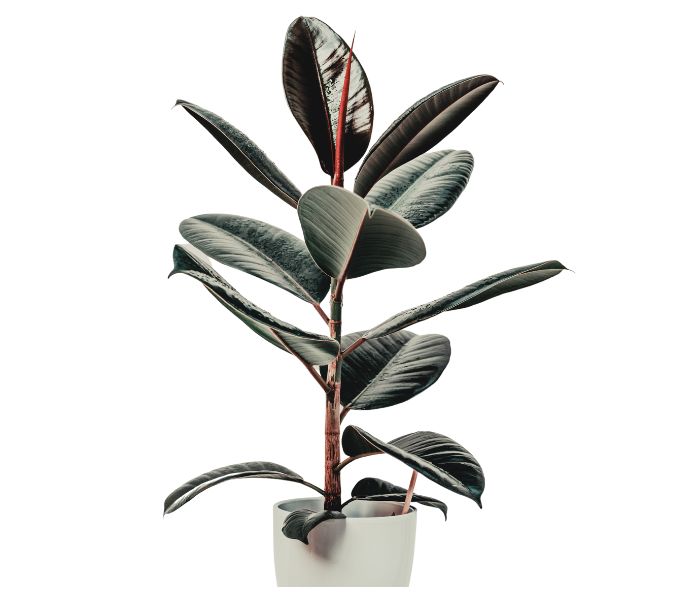
Rubber plants enjoy consistent care, but they don’t want permanently soggy soil.
Allow the upper portion of the potting mix to dry before watering. During cooler months or when the plant receives less light, its water requirements may decrease.
If the leaves begin turning yellow while the soil remains wet for days, check your watering routine and drainage.
7. Cast Iron Plant
As its name suggests, the cast iron plant is remarkably tough.
It can tolerate periods of dryness better than consistently waterlogged soil. Let the soil partially dry between waterings and adjust your routine according to light, temperature, and season.
A cast iron plant growing in low light generally uses water more slowly.
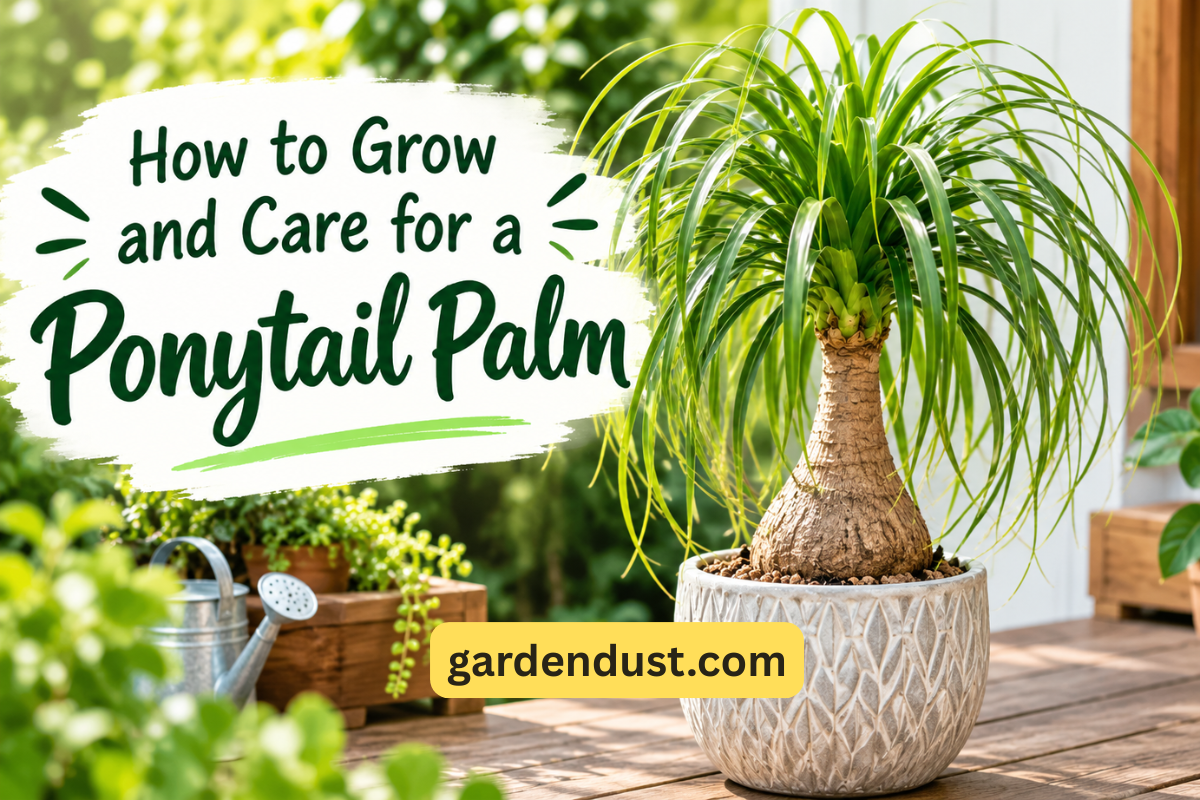
8. Ponytail Palm
Despite its palm-like appearance, the ponytail palm is a drought-tolerant plant rather than a thirsty tropical palm.
Its swollen trunk stores water, helping it survive dry periods.
Allow the soil to dry considerably before watering again. During winter, you may need to water much less frequently than during active growth.
Avoid: Small, frequent drinks of water that keep the soil constantly damp.
9. Chinese Evergreen
Chinese evergreen, or aglaonema, can tolerate some drying between waterings.
Allow the top portion of the soil to dry before watering again. Plants kept in lower light generally need less water because they grow and use moisture more slowly.
If your plant’s soil stays wet for a long time, consider whether it is receiving enough light or whether the potting mix drains properly.
10. Spider Plant
Spider plants don’t need to sit in wet soil.
Let the top layer of soil dry between waterings, then water thoroughly. Their watering needs can vary depending on the size of the pot, temperature, humidity, and amount of light.
If the leaves repeatedly turn yellow and the soil feels wet, you may be watering more often than necessary.
11. String of Pearls
READ MORE:-How to Propagate String of Pearls
How To Grow A String Of Pearls
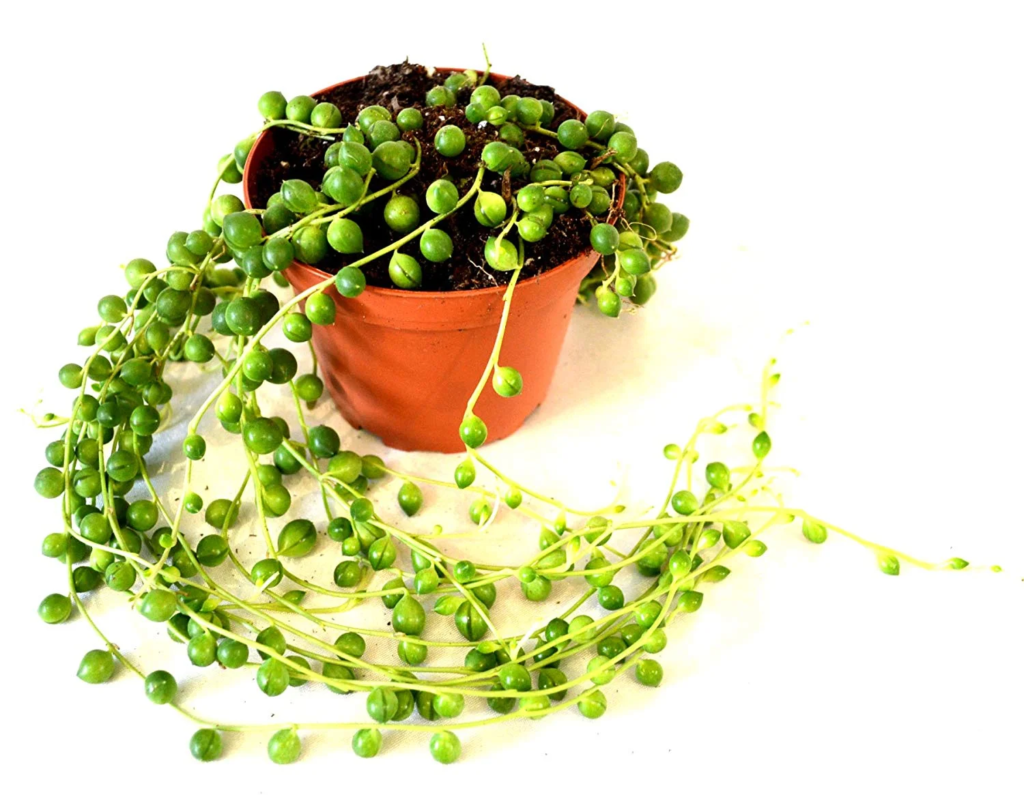
String of pearls is another succulent that prefers a drying period between waterings.
Its bead-like leaves store water, allowing it to tolerate dry conditions. Water only after the potting mix has dried out, and make sure excess water can escape through the drainage holes.
Because the plant has relatively delicate roots, keeping it constantly wet can quickly lead to root problems.
How to Know When Your Houseplant Needs Water
Instead of following a strict watering calendar, check the plant itself and its soil.
Before watering, stick your finger into the potting mix. If the soil is still damp several inches below the surface, wait a little longer for plants that prefer drying out.
You can also lift the pot. A noticeably lighter pot often indicates that much of the moisture has been used.
Remember that watering frequency depends on several factors, including:
- Light levels
- Temperature
- Humidity
- Pot size
- Type of potting mix
- Drainage
- Season
- Plant size
A plant that needs water every week in summer might need considerably less during winter.
The Biggest Houseplant Watering Mistake
One of the most common mistakes is watering every plant on the same schedule.
Your snake plant, pothos, aloe vera, and other houseplants don’t necessarily have the same watering requirements. Even two plants of the same species can need different amounts of water if they’re growing in different conditions.
Check the soil before reaching for the watering can.
The goal isn’t to keep the soil constantly wet. The goal is to provide enough moisture for the plant while allowing the roots to get the oxygen they need.
Final Thoughts
If you’ve been watering your houseplants several times a week, it may be time to slow down.
Plants such as snake plants, ZZ plants, jade plants, aloe vera, ponytail palms, and string of pearls can handle much longer periods between waterings. For many houseplants, allowing the soil to dry appropriately can help prevent the problems caused by overwatering.
So before you water today, check the soil first. Your plants might actually be asking you to leave the watering can alone. Happy Gardening….