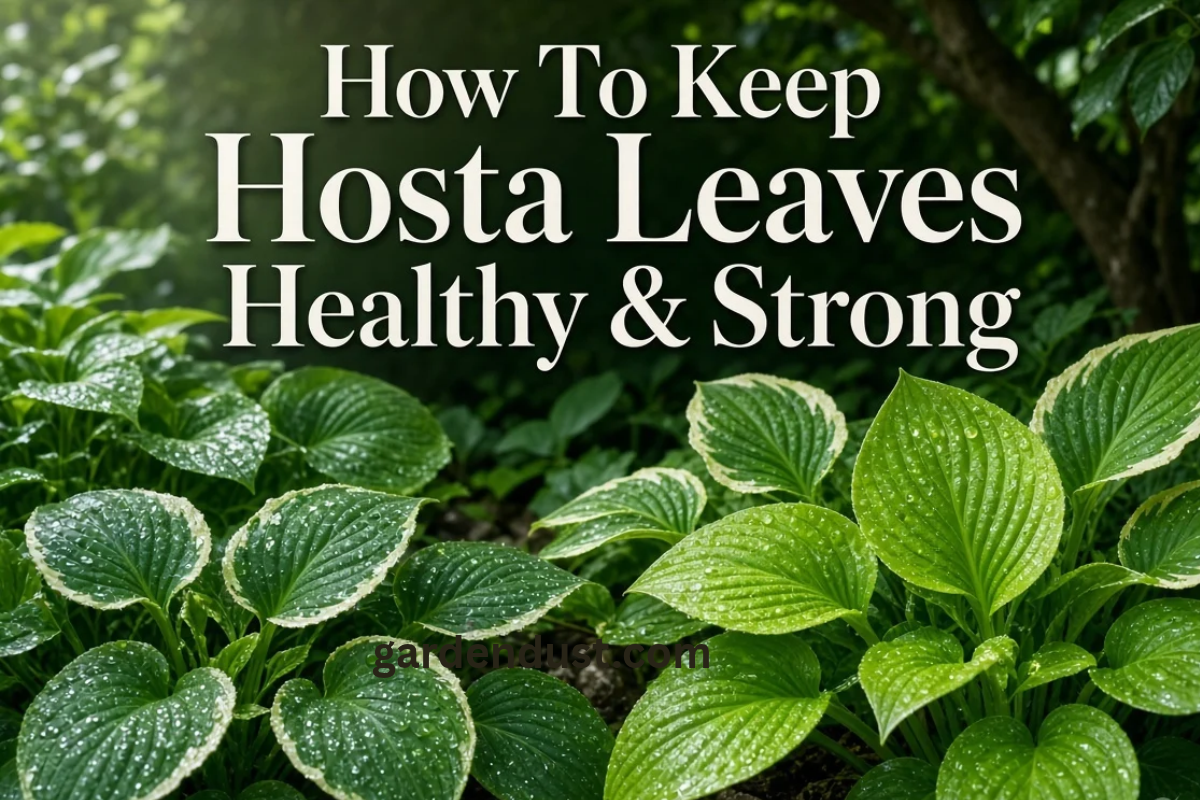
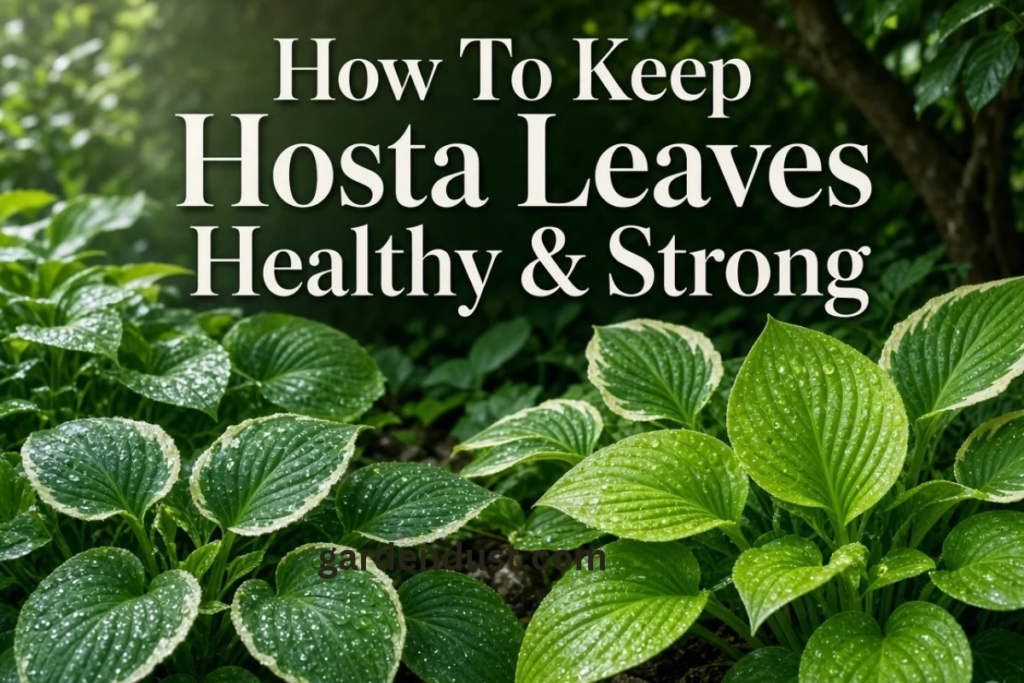
Hostas are beloved shade perennials known for their stunning foliage and easy-growing nature. With proper fertilization, these hardy plants can develop lush, vibrant leaves that make a dramatic statement in your garden. This guide explores the best practices for fertilizing hostas to maximize leaf size, color, and overall plant health.
Why Fertilize Hostas?
Hostas are considered “heavy feeders,” meaning they benefit significantly from regular nutrient applications. Proper fertilization:
- Promotes larger, more vibrant leaves
- Enhances leaf coloration and variegation
- Strengthens plants against pests and diseases
- Improves overall vigor and growth rate
- Helps hostas reach their full potential size
Understanding Hosta Nutritional Needs
Hostas require a balance of several key nutrients for optimal growth:
Primary Nutrients (NPK)
- Nitrogen (N): Essential for lush foliage growth and deep green color
- Phosphorus (P): Supports strong root development
- Potassium (K): Enhances disease resistance and overall plant vigor
Secondary Nutrients
- Magnesium: Helps maintain vibrant leaf color, especially in blue varieties
- Calcium: Strengthens cell walls for sturdier leaves
- Sulfur: Works with nitrogen for healthy growth
Micronutrients
- Iron: Important for chlorophyll production and preventing yellowing
- Manganese: Assists with photosynthesis
- Zinc: Supports enzyme functions and growth regulation
When to Fertilize Hostas
Timing is crucial for effective hosta fertilization:
- Early Spring (Primary Application): Apply when leaf tips first emerge from the ground
- Late Spring/Early Summer: Second application as leaves are actively growing
- Mid-Summer: Final application (optional) before August
- Late Summer/Fall: Avoid fertilizing after August to prevent tender new growth before winter
Pro Tip: Never fertilize newly planted hostas. Wait at least 3-4 weeks after planting to allow roots to establish before fertilizing.
READ ALSO:-Rex Begonia Care Guide
Best Fertilizers for Hostas
Balanced Commercial Fertilizers
- Slow-Release Granular (10-10-10 or 14-14-14): Apply once in spring for season-long feeding
- Water-Soluble (balanced ratio): Apply every 4-6 weeks during growing season
- Specific Hosta Formulations: Some specialty fertilizers are designed with ideal nutrient ratios for hostas
Organic Options
- Compost: Rich in organic matter and balanced nutrients
- Fish Emulsion: High in nitrogen for lush foliage growth
- Processed Chicken Manure: Balanced nutrients that release slowly
- Worm Castings: Gentle, nutrient-rich option for sensitive plants
- Blood Meal: High nitrogen content to promote larger leaves
Supplemental Treatments
- Epsom Salts: Provides magnesium for greener leaves and helps blue hostas maintain their color
- Application: Dissolve 1 tablespoon in 1 gallon of water and apply monthly
- Compost Tea: Gentle nutrient boost with beneficial microorganisms
- Application: Apply as a soil drench or foliar spray every 2-3 weeks
READ ALSO:-Best Fertilizers for Bitter Gourd
How to Apply Fertilizer to Hostas
Granular Fertilizers
- Measure the appropriate amount according to package directions
- Sprinkle evenly around the plant’s drip line (avoid direct contact with stems)
- Gently work into the top inch of soil
- Water thoroughly after application
Liquid Fertilizers
- Dilute according to package instructions
- Apply directly to the soil around the base of the plant
- Alternatively, use as a foliar spray in early morning or evening
- Always water plants before applying liquid fertilizers to prevent root burn
Fertilization and Water: The Perfect Partnership
Proper watering enhances fertilizer effectiveness:
- Water deeply (1-2 inches per week) rather than frequently
- Morning watering is ideal to allow foliage to dry during the day
- Apply water at the base of plants to minimize disease risk
- Consider drip irrigation to deliver water directly to roots
- Increase watering during hot, dry periods
Important: Never fertilize dry soil or drought-stressed plants. Always water thoroughly before and after fertilizer application.
Common Fertilization Mistakes to Avoid
- Over-fertilizing: Causes leaf burn, excessive soft growth prone to pests
- Improper timing: Late-season fertilizing creates vulnerable new growth
- Incorrect application: Fertilizer on leaves can cause burning
- Ignoring soil pH: Hostas prefer slightly acidic soil (pH 6.0-6.5)
- Fertilizing without water: Leads to nutrient burn on roots
Fertilizing Hostas in Containers
Container-grown hostas have special needs:
- Use a premium potting mix with slow-release fertilizer
- Apply liquid fertilizer at half-strength every 2-3 weeks
- Ensure consistent moisture (containers dry out faster)
- Consider a slightly higher phosphorus ratio for container plants
- Refresh soil annually by top-dressing with compost
Special Considerations for Different Hosta Types
Blue Hostas
- Minimize nitrogen to preserve blue coloration
- Add extra magnesium (Epsom salts) to enhance blue hues
- Place in deeper shade for best color
Variegated Hostas
- Balanced fertilizer supports distinct variegation
- Avoid excessive nitrogen which can diminish color contrast
- Ensure proper light for optimal variegation
Giant Varieties
- Higher nitrogen promotes larger leaves
- Consistent feeding schedule throughout growing season
- Deep, rich soil amended with plenty of organic matter
Organic Fertilization Practices
Creating a sustainable hosta garden:
Mulching-Apply 2-3 inches of organic mulch (leaf mold, bark, compost) to:
- Retain soil moisture
- Slowly release nutrients
- Suppress weeds
- Improve soil structure
Composting– Apply ½-1 inch of finished compost annually in spring
Natural Amendments–
- Coffee grounds: Adds nitrogen and slightly acidifies soil
- Crushed eggshells: Provides calcium for strong cell walls
- Banana peels: Rich in potassium for plant vigor
Troubleshooting Hosta Leaf Problems
Yellow Leaves
- Possible Causes: Nitrogen deficiency, overwatering, poor drainage
- Solution: Balance fertilization, improve drainage, check watering schedule
Small Leaves
- Possible Causes: Nutrient deficiency, insufficient water, too much sun
- Solution: Regular balanced feeding, consistent watering, adjust location
Burnt Leaf Edges
- Possible Causes: Fertilizer burn, sun scorch, drought stress
- Solution: Dilute fertilizers, provide afternoon shade, increase watering
Pale, Washed-Out Colors
- Possible Causes: Too much sun, magnesium deficiency
- Solution: Relocate to shadier spot, supplement with Epsom salts
Conclusion
Proper fertilization is key to growing healthy, vibrant hostas with stunning foliage. By understanding their nutritional needs and implementing a thoughtful fertilization program, you can enjoy the full beauty these shade-loving perennials have to offer. Remember that fertilization is just one part of hosta care – combining it with appropriate lighting, watering, and soil preparation will give you the most impressive results.
With these fertilization practices, you’ll be rewarded with hostas that become more magnificent each year, creating a lush, eye-catching display in your shade garden. Happy Gardening…