The Chinese fan palm is a beautiful ornamental palm known for its large, fan-shaped leaves and graceful appearance. It adds a tropical touch to gardens, balconies, patios, and indoor spaces with sufficient light. Its attractive foliage and relatively easy-care nature make it a popular choice among gardening enthusiasts.
Whether you want to grow it in a pot or plant it directly in your garden, understanding its sunlight, watering, soil, and temperature requirements will help your Chinese fan palm grow healthy and strong.
- Botanical Name –Livistona chinensis
- Common Name-Chinese fan palm, Chinese fountain palm, fountain palm
- Native– Southern Japan, Taiwan, and parts of southeastern China
- Genus–Livistona
- Family-Arecaceae
- Plant Type-Evergreen perennial palm
- Plant Size: Approximately 10–30 feet tall in cultivation, sometimes taller under suitable outdoor conditions
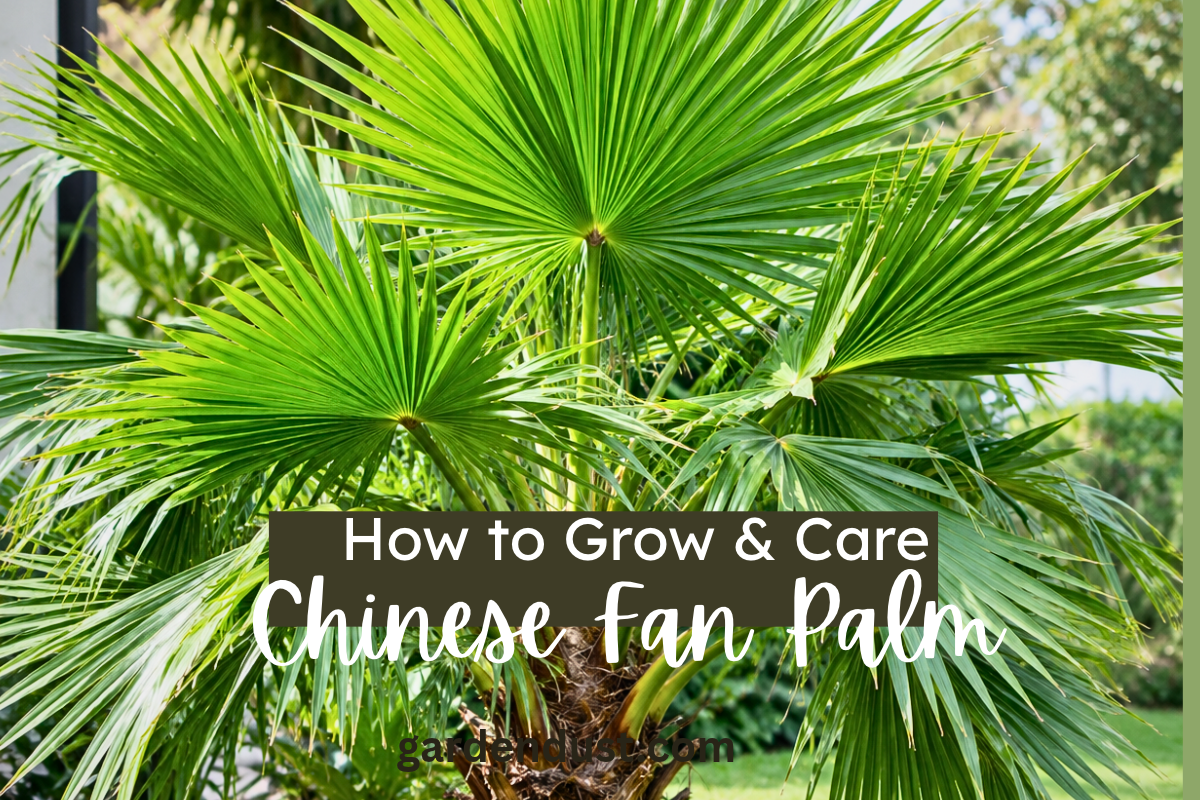
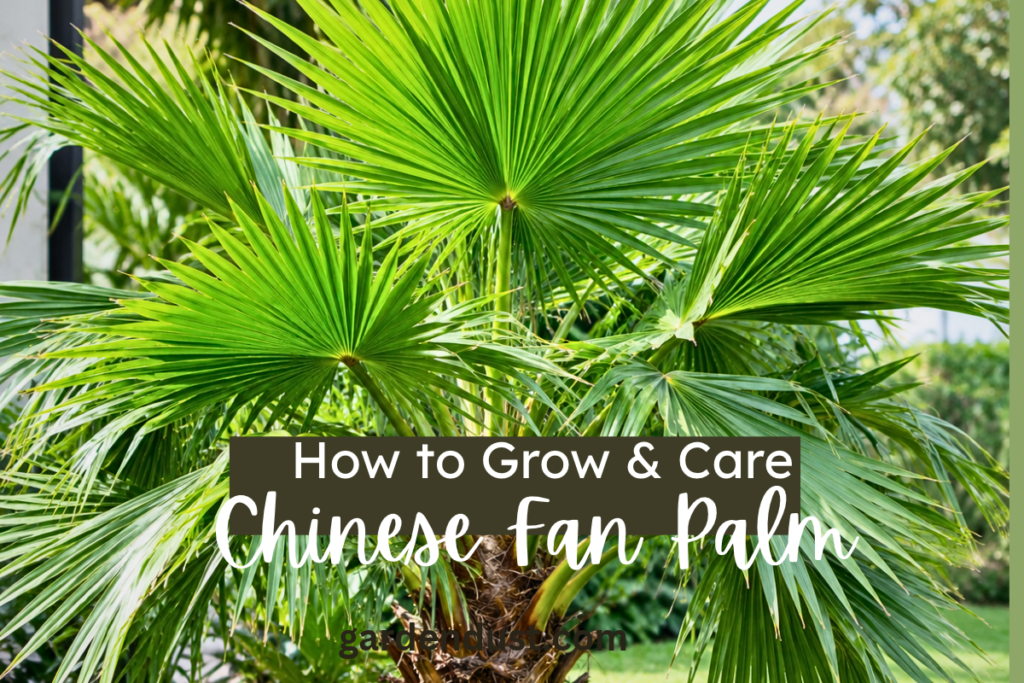
- Leaf Type: Large, fan-shaped, green leaves with drooping tips
- Growth Rate: Slow to moderate
- Sunlight Requirement: Partial shade to full sun, depending on the plant’s age and growing conditions
- Suitable Growing Locations: Gardens, patios, balconies, and bright indoor spaces when young
Grow & Care Guidelines
1. Choosing the Right Location
Chinese fan palm grows well in a location that receives bright light. Young plants prefer partial shade or filtered sunlight, particularly in hot climates. Gradually introduce them to stronger sunlight as they grow to prevent leaf scorch.
In Indian conditions, a spot with morning sunlight and afternoon shade can work well for a young plant. Mature palms can tolerate more direct sunlight when properly acclimated.
If you are growing the palm indoors, place it near a bright window where it receives plenty of indirect light. Rotate the pot occasionally so that the plant grows evenly.
2. Selecting the Right Soil
Well-draining soil is essential for healthy Chinese fan palm growth. Although the plant appreciates some moisture, waterlogged soil can damage its roots and encourage root rot.
For container growing, use a quality potting mix that allows excess water to drain freely. A mixture of garden soil, compost, and coarse sand or perlite can help improve drainage. Adjust the proportions according to your soil’s texture and how quickly it dries.
For outdoor planting, choose a location where rainwater does not collect around the roots. If the soil is heavy clay, improve drainage before planting.
3. How to Water Chinese Fan Palm
Watering should depend on the weather, soil moisture, and size of the plant. During active growth, water thoroughly when the upper layer of soil begins to dry. Allow excess water to drain from the pot.
During hot summer weather, container-grown palms may need more frequent watering. In cooler weather or during periods of slow growth, reduce watering as the soil takes longer to dry.
Avoid keeping the roots constantly wet. If the leaves turn yellow and the soil remains soggy, overwatering or poor drainage may be responsible. On the other hand, prolonged dryness can cause brown leaf tips and drooping foliage.
Always use a pot with drainage holes when growing Chinese fan palm in a container.
4. Sunlight Requirements
Chinese fan palm adapts to different light conditions, but the right amount of sunlight encourages healthy foliage.
Young plants generally benefit from partial shade, especially in regions with intense summer heat. Mature outdoor palms can grow in full sun if they have adjusted to it gradually and receive sufficient moisture.
For indoor plants, bright indirect light is preferable. Very dark corners may slow growth and cause the plant to lose its attractive appearance.
If you notice pale or scorched patches on the leaves after moving the plant into direct sunlight, provide temporary shade and increase sun exposure more gradually.
5. Temperature and Humidity
Chinese fan palm grows best in warm conditions. It is suited to tropical and subtropical climates, making it a suitable outdoor ornamental palm in many parts of India.
Established plants can tolerate some cool weather, but young palms are more vulnerable to cold. Protect potted plants during unusually cold periods and avoid exposing them to frost.
Average outdoor humidity is generally sufficient for garden-grown palms. Indoors, avoid placing the plant directly beside air conditioners or heaters, as dry air and sudden temperature changes may stress the foliage.
READ ALSO:-Stephania Erecta Care: How to Grow, Maintain, and Propagate
6. Fertilizing Chinese Fan Palm
Chinese fan palm is not a heavy feeder, but occasional feeding during active growth can support healthy leaves and root development.
Apply a balanced palm fertilizer according to the product label during the growing season. A fertilizer formulated for palms can be particularly useful because palms may require micronutrients such as magnesium and manganese.
Well-decomposed compost can also improve the soil, but it should not replace a balanced fertilizer where nutrient deficiencies occur.
Avoid applying excessive fertilizer or placing concentrated fertilizer directly against the trunk. Too much fertilizer can damage the roots and cause leaf-tip browning.
7. Growing Chinese Fan Palm in a Pot
Chinese fan palm can be grown in a container when young. Choose a sturdy pot with drainage holes and enough room for the root system to develop.
Use a well-draining potting mix and place the container in bright light. Water when the upper soil begins to dry, and empty any water collected in the saucer.
Repot the plant when its roots become crowded or start emerging from the drainage holes. Choose a pot only moderately larger than the existing one, as an excessively large container can hold moisture for too long.
Keep in mind that Chinese fan palm eventually becomes a large plant. A young specimen may suit a balcony or patio, but a mature palm needs considerably more space.
8. Pruning and Maintenance
Chinese fan palm generally requires little pruning. Remove only completely brown, dead, or badly damaged leaves using clean, sharp pruning tools.
Do not cut healthy green leaves simply to make the plant smaller. Green foliage helps the palm produce the energy it needs for growth.
Avoid cutting the growing point at the centre of the crown, because damage to this area can seriously harm the plant. Wear gloves when pruning, as some leaves have sharp or pointed edges.
Occasionally wipe dust from indoor leaves with a soft, damp cloth. This helps keep the foliage clean and attractive.
READ ALSO:-How to grow Prayer Plant
9. How to Propagate Chinese Fan Palm
Chinese fan palm is usually propagated from seeds. Collect mature seeds, remove any fleshy covering, and sow them in a clean, moist, well-draining growing medium.
Keep the seed container in a warm location and maintain consistent moisture without making the medium soggy. Germination can be slow and irregular, so patience is important.
Once the seedlings develop and become strong enough to handle, transfer them carefully into individual pots. Protect young seedlings from harsh direct sunlight until they are established.
Propagation by seed is generally more practical than attempting to divide a mature palm.
10. Common Problems and Their Solutions
- Yellowing leaves: Older leaves naturally turn yellow and die over time. However, widespread yellowing may indicate overwatering, poor drainage, or nutrient deficiencies. Check the soil before changing the watering routine.
- Brown leaf tips: These may develop due to irregular watering, dry conditions, fertilizer buildup, or salt accumulation. Review your watering practices and avoid excessive fertilizer.
- Leaf scorch: Brown, dry patches can appear when a plant is suddenly exposed to intense sunlight. Gradually acclimate young palms to stronger light.
- Slow growth: Chinese fan palm naturally grows slowly to moderately. Insufficient light, poor nutrition, cold conditions, or restricted roots may slow it further.
- Pest problems: Occasionally inspect the leaves for scale insects, spider mites, and mealybugs, particularly on indoor plants. Remove minor infestations and use an appropriate treatment if necessary.
11. Benefits and Uses of Chinese Fan Palm
Chinese fan palm is mainly grown as an ornamental plant. Its distinctive fan-shaped foliage creates a tropical appearance and makes it suitable for landscaping, entranceways, lawns, and spacious patios.
Young plants can decorate balconies and bright indoor spaces. In outdoor landscapes, mature palms can serve as specimen plants or form part of a tropical garden design.
The plant also provides architectural interest because of its broad leaves and attractive growth habit. However, it should be planted where its mature size and potentially sharp leaf edges will not interfere with walkways.
Frequently Asked Questions
Is Chinese fan palm suitable for Indian weather?
Yes. Chinese fan palm grows well in many warm and subtropical parts of India. Protect young plants from extreme heat when newly planted and from unusually cold weather.
Can Chinese fan palm grow indoors?
Yes, especially when young. Provide bright indirect light, a well-draining potting mix, and careful watering. Remember that the plant can eventually outgrow a typical indoor space.
How often should I water Chinese fan palm?
There is no fixed watering schedule. Check the soil and water when the upper layer begins to dry. Water more frequently in hot weather if needed and less frequently when growth slows.
Does Chinese fan palm need direct sunlight?
Not always. Young plants usually benefit from partial shade, while established palms can tolerate full sun when gradually acclimated.
How fast does Chinese fan palm grow?
It is generally a slow-to-moderate-growing palm. Its growth rate depends on sunlight, temperature, soil quality, moisture, and overall growing conditions.
Conclusion
Chinese fan palm is an attractive ornamental plant that can bring a tropical feel to gardens, patios, and balconies. Its main care requirements are well-draining soil, appropriate sunlight, careful watering, and occasional feeding during active growth.
With the right growing conditions and a little patience, your Chinese fan palm can develop into a beautiful landscape feature for years to come. Happy Gardening….