
Want more plants without spending more money? Learning how to propagate plants is one of the easiest ways to fill your garden, patio, or home with greenery for free.
Many popular garden and houseplants can be grown from cuttings, divisions, runners, or even a single leaf. With a little patience, you can turn one healthy plant into several new ones and create a beautiful garden without constantly buying new plants.
Here are 11 easy plants to propagate for a free garden, including simple methods that even beginners can try.
1. Pothos
Pothos is one of the easiest plants to propagate, making it perfect for beginners.
Simply cut a healthy stem just below a node, which is the small bump where leaves and roots grow. Place the cutting in a glass of water, making sure at least one node is underwater.
Within a few weeks, roots should begin to develop. Once the roots are a few inches long, plant the cutting in moist potting soil.
Best propagation method: Stem cuttings in water or soil
Pothos grows quickly, so one mature plant can provide many cuttings.
2. Spider Plant
READ MORE :-How To Make Spider Plants Bushy
Spider plants practically propagate themselves. Mature plants produce long stems with small baby plants, often called spiderettes or plantlets.
You can leave the baby attached to the parent plant while it develops roots or cut it off and place it in water or directly into moist soil.
Because many spider plant babies already have tiny roots, they establish themselves quickly.
Best propagation method: Plantlets
This is one of the simplest ways to get several new plants from a single parent plant.
3. Mint
READ MORE:-How To Grow And Care For Mint
If you love growing herbs, mint is one of the easiest plants to propagate.
Take a healthy cutting around 4–6 inches long and remove the leaves from the lower portion of the stem. Place the cutting in water and keep it somewhere with bright, indirect light.
Once roots develop, plant it in a container or garden bed.
Best propagation method: Stem cuttings
Mint spreads aggressively in the garden, so growing propagated plants in containers can help keep it under control.
4. Basil
READ MORE :-How To Propagate Basil
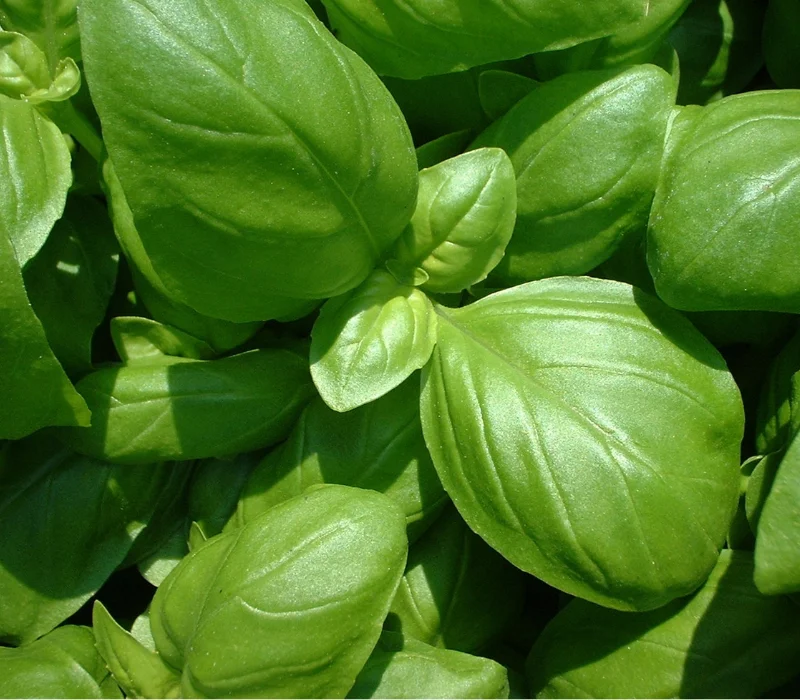
Instead of buying new basil plants every season, try propagating your existing plant.
Cut a healthy stem just below a leaf node and remove the lower leaves. Place the cutting in water, keeping the leaves above the waterline.
Roots often appear surprisingly quickly. Once the roots are established, transplant the cutting into well-draining soil.
Best propagation method: Stem cuttings in water
For the best results, choose healthy, non-flowering stems.
5. Rosemary
READ MORE:- How To Grow And Care For Rosemary
Rosemary can take a little longer to root than herbs like mint or basil, but it is still a great plant to propagate.
Take a cutting from soft, healthy growth and remove the leaves from the bottom few inches. Plant the cutting in a moist, well-draining propagation mix.
Keep the soil lightly moist but not soggy.
Best propagation method: Stem cuttings
Taking several cuttings at once increases your chances of success.
6. Lavender
READ MORE:-How to cultivate lavender
Lavender is another garden favorite that can be propagated from cuttings.
Take cuttings from healthy, non-flowering stems and remove the leaves from the lower part of each cutting. Insert them into a light, well-draining growing medium.
Keep the cuttings in bright indirect light while they develop roots.
Best propagation method: Softwood or semi-hardwood cuttings
Once established, propagated lavender plants can help you create borders, pollinator gardens, and fragrant pathways without buying multiple plants.
7. Snake Plant
READ MORE:-How to Propagate Snake Plants
Snake plants are incredibly easy to multiply and are ideal for gardeners who prefer low-maintenance plants.
You can divide a mature plant at the roots or grow new plants from leaf cuttings.
For leaf propagation, cut a healthy leaf into sections and allow the cut ends to dry slightly before planting them in well-draining soil.
Best propagation method: Division or leaf cuttings
Division is usually the fastest way to create larger new snake plants.
8. Aloe Vera
A healthy aloe vera plant often produces small baby plants, known as pups, around its base.
When the pups have developed their own roots, carefully remove them from the parent plant. Allow any damaged roots to dry briefly, then plant each pup in a small pot filled with well-draining succulent soil.
Best propagation method: Pups or offsets
One mature aloe plant can eventually provide several new plants for free.
9. Succulents
Many succulents are remarkably easy to propagate from leaves or stem cuttings.
Gently remove a healthy leaf and allow the broken end to dry for a few days. Place it on top of well-draining succulent soil.
With the right conditions, tiny roots and new baby plants may begin growing from the leaf.
Best propagation method: Leaves, offsets, or stem cuttings
Avoid overwatering while propagating succulents, as excess moisture can cause the leaves to rot.
10. Coleus
Coleus is one of the easiest colorful plants to propagate and is perfect for filling containers and garden beds.
Cut a healthy stem just below a leaf node and remove the lower leaves. Place the cutting in water or directly into moist soil.
Roots usually develop quickly, allowing you to create multiple new plants from one mature coleus.
Best propagation method: Stem cuttings
Coleus propagation is especially useful at the end of the growing season when you want to save favorite varieties.
11. Strawberry

Strawberry plants make propagation easy by producing long stems called runners.
Small baby plants form along these runners. Once a baby plant develops roots, it can be separated from the parent and planted in a new location.
You can also place the baby plant in a small pot while it is still attached to the runner. Once it develops a strong root system, cut the connection to the parent plant.
Best propagation method: Runners
A few strawberry plants can eventually provide enough new plants to create an entire strawberry patch.
Tips for Successful Plant Propagation
Propagation is simple, but a few basic habits can greatly improve your success rate.
Use healthy parent plants
Always take cuttings or divisions from healthy, disease-free plants. Weak or damaged plants may struggle to produce strong new roots.
Use clean tools
Clean scissors or pruning shears help reduce the risk of spreading disease to fresh cuttings.
Avoid too much water
Many beginners lose cuttings because of overwatering. Soil should usually be lightly moist rather than constantly wet.
Give cuttings bright indirect light
Strong direct sunlight can dry out young cuttings before they have developed roots. Bright, indirect light is usually a safer choice.
Be patient
Some plants root within days, while others take several weeks. Avoid disturbing cuttings too often to check for roots.
Create a Beautiful Garden Without Spending a Fortune
Propagating plants is one of the easiest ways to grow your garden on a budget. Instead of purchasing new plants every season, you can use cuttings, offsets, divisions, and runners from plants you already own. Start with easy options like pothos, spider plants, mint, basil, coleus, and strawberries. As you gain confidence, experiment with rosemary, lavender, succulents, and other favorite plants.
With just a few healthy parent plants, you can slowly create a fuller garden—and the best part is that your new plants can be completely free. The next time you’re tempted to buy another plant, take a closer look at the ones you already have. Your garden may already contain everything you need to grow more. Happy Gardening…