

If you’re looking for a houseplant that is truly one-of-a-kind, visually striking, and surprisingly easy to care for, Stephania erecta deserves a place in your collection. Known for its unique round caudex that looks like a miniature tree trunk and its delicate umbrella-shaped leaves, this plant has become a favorite among rare plant collectors. Its minimal-water needs, sculptural form, and seasonal growth cycle make it both fascinating and rewarding to grow. Whether you’re a beginner curious about exotic plants or an experienced gardener looking to expand your indoor jungle, Stephania erecta brings elegance and personality to any space.
Botanical Description
Botanical Name: Stephania erecta
Common Name: Stephania
Genus: Stephania
Family: Menispermaceae
Plant Type: Caudiciform / Tuberous perennial
Native Region: Thailand, Laos, Myanmar
Growth Form: Vining from a round caudex
Plant Size: Caudex 5–15 cm; Vines 1–2 m indoors
Leaf Shape: Circular, umbrella-like
Flower Color: Greenish-yellow (rare indoors)
Used For: Indoor décor, ornamental, collectible
Growing Season: Spring–Summer
Dormancy: Autumn–Winter
Toxicity: Mildly toxic if ingested
Light Preference: Bright indirect light
Water Needs: Low, drought-tolerant
Why Stephania Erecta Is Gaining Popularity
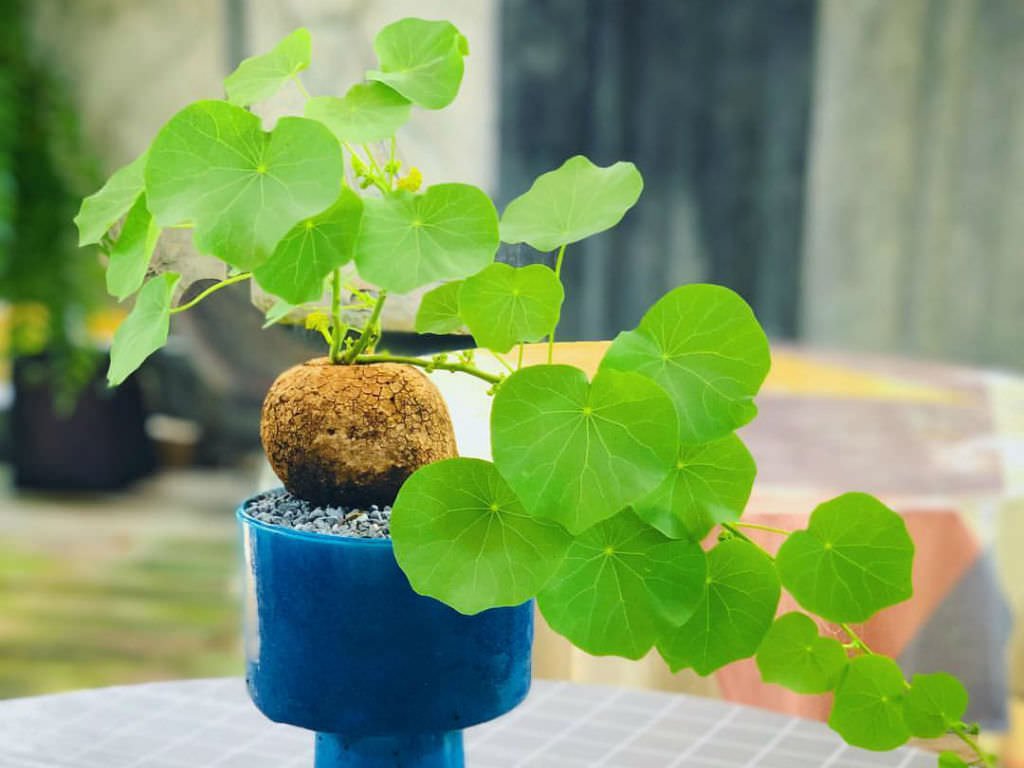
Stephania erecta has become a social media sensation thanks to its minimalistic, sculptural appearance. The plant looks like a piece of natural art—simple, elegant, and instantly eye-catching. Its compact size makes it perfect for shelves, office corners, and small apartments. Add to that its toughness and low maintenance, and it’s no wonder plant lovers want it in their homes.
Ideal Growing Conditions for Stephania Erecta
1. Light Requirements
Stephania erecta thrives in bright, indirect light. A position near an east or west-facing window works best. Direct afternoon sun is too harsh and may burn its leaves. In low-light rooms, a grow light helps maintain healthy vine development.
2. Temperature & Humidity
As a tropical plant, Stephania erecta prefers warm temperatures between 18°C and 28°C. It does not tolerate cold drafts or temperatures below 15°C. Moderate humidity (40–60%) supports lush leaf growth, but the plant adapts easily to typical indoor humidity levels.
3. Soil Requirements
The caudex must never sit in soggy soil. Use a fast-draining mix such as:
- 50% cactus or succulent soil
- 25% perlite
- 25% pumice or coarse bark
This ensures good aeration and prevents rot around the sensitive caudex.
4. Watering Guidelines
Stephania erecta is drought-tolerant and should be watered sparingly.
During the growing season (spring–summer):
- Water only when the soil is completely dry
- Pour water around the edges, not on the caudex
- Ensure water drains out fully
During dormancy (autumn–winter):
- Stop regular watering
- Only mist lightly if the caudex shrinks noticeably
Overwatering is the most common reason this plant dies.
5. Best Pot for Stephania Erecta
A shallow terracotta pot is ideal. It allows excess moisture to evaporate and keeps roots from staying wet too long. Keep the caudex half exposed above soil level, both for aesthetics and to prevent rot.
Understanding Dormancy
Stephania erecta naturally enters dormancy when temperatures drop or daylight decreases. Its leaves will yellow and fall off—this is normal.
During dormancy:
- Keep it dry
- Provide warmth
- Do not repot or fertilize
When spring arrives, new buds will form on the top of the caudex, signalling the start of a new growth cycle.
Feeding & Fertilizing
Feed lightly during the active growing season. A gentle liquid fertilizer diluted to half strength every 4–6 weeks is enough. Avoid over-fertilizing—this plant grows slowly and doesn’t need much food.
Propagation
Stephania erecta is usually propagated through seeds rather than division.
To grow from seed:
- Soak seeds in warm water for 12–24 hours
- Plant them in a warm, lightly moist seed-starting mix
- Keep humidity high and maintain good light
- Use a heat mat to encourage germination
Seedlings are slow-growing and may take time to develop a recognizable caudex.
Common Problems & How to Fix Them
1. Caudex Rot
Cause: Overwatering
Fix: Improve drainage, increase light, reduce watering.
2. No New Growth in Spring
Cause: Low temperature
Fix: Move plant to a warmer spot (20°C+).
3. Yellow Leaves
Cause: Watering too often, low light, or dormancy
Fix: Adjust watering and improve light conditions.
4. Pests
Occasionally affected by:
- Spider mites
- Mealybugs
- Aphids
- Use neem oil or insecticidal soap to control them.
Repotting
Repot only once every 2–3 years, and always in early spring when the plant is waking up. Use a pot only slightly larger than the current one to avoid excess moisture around the roots.
Styling & Décor Tips
Stephania erecta is a natural statement piece. It looks stunning:
- On minimalist shelves
- In terracotta or matte ceramic pots
- On coffee tables
- With modern or Japanese-style décor
- In plant racks with trailing support
Its sculptural caudex adds a modern botanical aesthetic to any room.
Is Stephania Erecta Pet-Safe?
The plant is mildly toxic if ingested, so keep it away from chewing pets and small children.
Stephania erecta is more than just a plant—it’s a living sculpture. With its charming caudex, soft climbing vines, and seasonal growth cycle, it brings beauty and interest to any home. Understanding its natural rhythm, watering needs, and light preferences makes caring for it simple and rewarding. Whether you’re expanding your indoor plant collection or diving into the world of rare botanicals, Stephania erecta is truly a gem worth growing. Happy Gardening….
FAQ
1. Why is my Stephania erecta not sprouting?
Your plant may still be in its dormancy phase. Wait until temperatures rise above 20°C. Ensure bright indirect light and avoid watering until new buds form.
2. How often should I water Stephania erecta?
Water only when the soil is completely dry. During dormancy, reduce watering drastically—mist lightly only if the caudex shrinks.
3. Why are the leaves of my Stephania erecta turning yellow?
Yellowing leaves may indicate overwatering, low light, or the start of natural dormancy. Adjust care based on the season.
4. What is the best soil mix for Stephania erecta?
A fast-draining mix with cactus soil, perlite, and pumice is ideal. The caudex must remain partially exposed to avoid rot.
5. Can Stephania erecta grow indoors year-round?
Yes, it thrives indoors if provided with bright indirect light, warm temperatures, and dry soil during dormancy.
6. Is Stephania erecta safe for pets?
It is mildly toxic if ingested, so keep it away from pets and children.
7. How long does Stephania erecta stay dormant?
Dormancy typically lasts 2–4 months depending on temperature, daylight, and season.