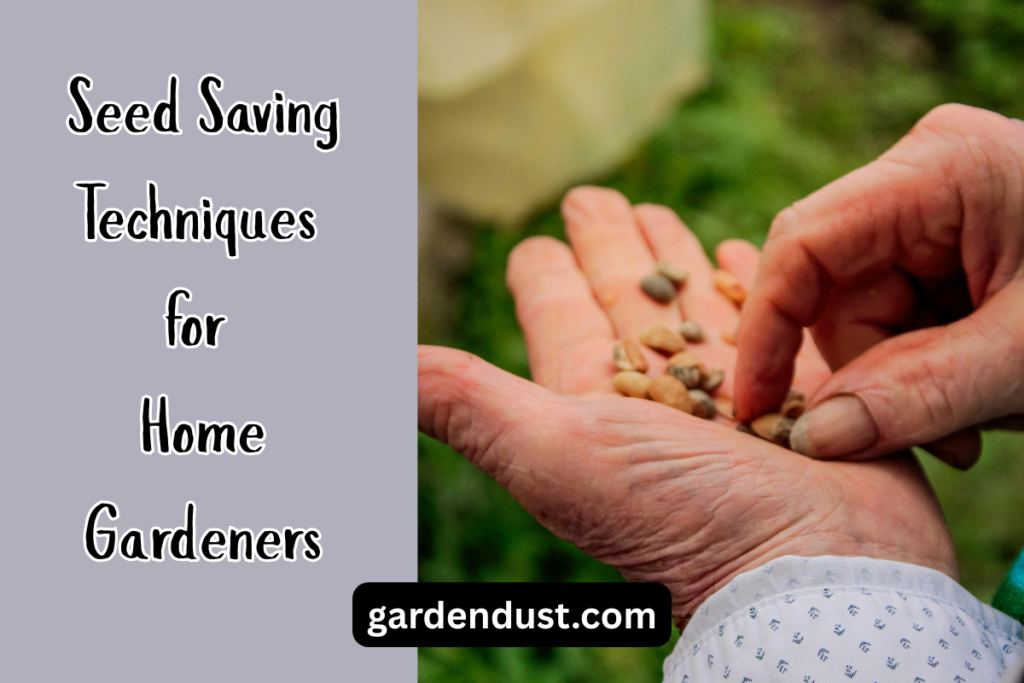
Saving seeds from your own garden is one of the most rewarding gardening practices. It helps reduce gardening costs, preserves your favorite plant varieties, and allows you to grow healthy crops year after year. Whether you’re growing vegetables, herbs, or flowers, learning basic seed-saving techniques can make your garden more sustainable.
In this guide, you’ll learn how to collect, dry, store, and reuse seeds successfully.
Why Save Seeds?
Seed saving offers several benefits for home gardeners:
- Saves money on buying new seeds every season.
- Preserves heirloom and open-pollinated varieties.
- Produces plants adapted to your local climate.
- Encourages sustainable and eco-friendly gardening.
- Creates a personal seed collection for future planting.
Choose the Right Plants
Not every plant produces seeds that grow true to the parent.
The best candidates are:
- Open-pollinated vegetables
- Heirloom varieties
- Self-pollinating plants
These seeds generally produce plants with the same characteristics as the parent plant.
Avoid saving seeds from most hybrid (F1) varieties because the next generation may not produce the same quality, flavor, or yield.
Select Healthy Parent Plants
Always collect seeds from your healthiest plants.
Choose plants that:
- Produce high yields
- Show strong disease resistance
- Have good flavor
- Grow vigorously
- Are free from pests
Avoid collecting seeds from weak or diseased plants.
Allow Seeds to Fully Mature
Seeds should mature completely before harvesting.
For dry-seeded crops like beans and peas, leave pods on the plant until they turn brown and dry.
For fruits such as tomatoes, cucumbers, peppers, and pumpkins, allow them to become fully ripe or even slightly overripe before harvesting seeds.
Immature seeds usually have poor germination rates.
How to Collect Seeds
Dry Seeds
Plants like:
- Beans
- Peas
- Lettuce
- Marigolds
- Sunflowers
- Dill
produce dry seeds.
Simply:
- Wait until seed heads or pods dry naturally.
- Cut them carefully.
- Shake or remove seeds.
- Remove leaves and debris.
Wet Seeds
Plants such as:
- Tomatoes
- Cucumbers
- Pumpkins
- Melons
contain seeds inside moist fruits.
Steps:
- Scoop out the seeds.
- Rinse off the pulp.
- For tomatoes, ferment seeds in water for 2–3 days to remove the gel coating.
- Wash thoroughly.
- Dry completely before storage.
Dry Seeds Properly
Proper drying prevents mold and increases seed life.
Spread seeds in a single layer on:
- Paper plates
- Coffee filters
- Newspaper
- Mesh trays
Keep them in a cool, shaded, and well-ventilated area.
Avoid direct sunlight, which may reduce seed viability.
Most seeds require about one to two weeks to dry completely.
Store Seeds Correctly
Store only completely dry seeds.
Good storage containers include:
- Paper envelopes
- Glass jars
- Airtight containers
- Small zip-lock bags
Label every container with:
- Plant name
- Variety
- Collection date
Store seeds in a cool, dark, and dry location.
For long-term storage, many gardeners keep seeds in airtight jars with a small silica gel packet to absorb moisture.
Seed Viability
Different seeds remain viable for different lengths of time.
Approximate storage life:
| Plant | Seed Life |
| Tomato | 4–6 years |
| Pepper | 2–4 years |
| Beans | 3–5 years |
| Peas | 3–4 years |
| Lettuce | 2–3 years |
| Cucumber | 5–6 years |
| Pumpkin | 4–6 years |
Older seeds can still be tested before planting.
Test Germination
Before sowing older seeds:
- Place 10 seeds on a damp paper towel.
- Fold and keep inside a plastic bag.
- Store in a warm place.
- Check after several days.
If 8 out of 10 seeds sprout, you have an 80% germination rate.
This helps determine how densely to sow.
Prevent Cross-Pollination
Some plants cross-pollinate easily, producing seeds that may not grow true.
To maintain pure varieties:
- Grow only one variety of cross-pollinating crops.
- Separate different varieties by distance.
- Use pollination bags or hand-pollination if needed.
Self-pollinating crops like tomatoes, peas, and beans are generally easier for beginners.
Common Seed Saving Mistakes
Avoid these common errors:
- Harvesting immature seeds.
- Storing seeds before they are fully dry.
- Forgetting to label seed packets.
- Saving seeds from diseased plants.
- Keeping seeds in humid or warm places.
- Saving seeds from hybrid varieties without understanding the results.
Final Thoughts
Seed saving is a simple skill that brings long-term rewards to every gardener. With careful selection, proper harvesting, thorough drying, and correct storage, you can build a reliable seed collection for future seasons. Start with easy crops like beans, peas, tomatoes, marigolds, or lettuce, and gradually expand your collection. Over time, you’ll enjoy healthier plants, lower gardening costs, and the satisfaction of growing from seeds you’ve saved yourself. Happy Gardening…