
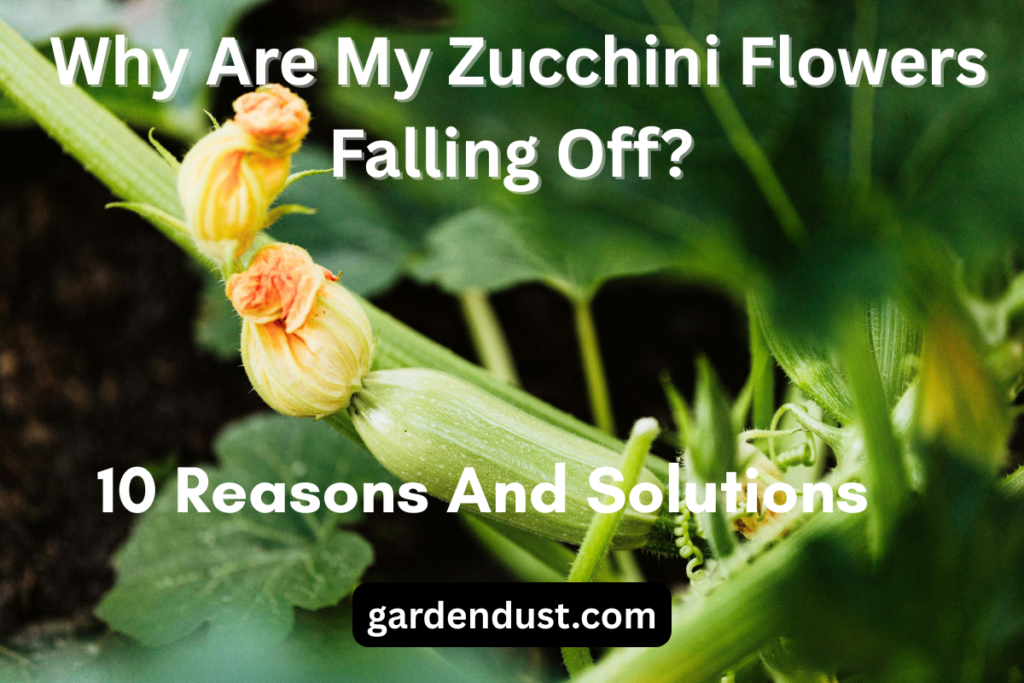
Zucchini plants are famous for their large yellow flowers and fast-growing fruits. Many gardeners get excited when the plants start blooming, expecting fresh zucchini within days. However, a very common problem occurs during the flowering stage—the blossoms suddenly wilt and fall off the plant.
If you’ve noticed zucchini flowers dropping before fruits develop, don’t panic. In many cases, this is completely normal and part of the plant’s natural growth cycle. In other situations, flower drop can signal issues such as poor pollination, environmental stress, nutrient imbalance, or pest damage.
Understanding why zucchini flowers fall off is essential if you want to improve fruit production and grow a healthy harvest. In this detailed guide, we’ll explore all the possible causes of zucchini blossom drop, how to identify the problem, and practical solutions to fix it.
Understanding Zucchini Flowers First
Before diagnosing the problem, it’s important to understand that zucchini plants produce two types of flowers: male and female.
Male Flowers
Male flowers appear first on the plant and grow on long, thin stems. Their main purpose is to produce pollen. After releasing pollen, they naturally wither and fall off. This is completely normal and not a sign of any problem.
Female Flowers
Female flowers grow on shorter stems and have a small baby zucchini behind the blossom. If pollination occurs successfully, that tiny fruit will grow into a full zucchini. If pollination fails, the miniature fruit shrivels and the flower drops off.
Because zucchini plants depend heavily on pollination, most blossom-drop issues are related to pollination failure.
1. Normal Male Flower Drop
One of the most common reasons gardeners worry unnecessarily is that they don’t realize male flowers naturally fall off.
During the early stages of growth, zucchini plants often produce only male flowers for the first week or two. These flowers bloom, release pollen, and then drop from the plant.
This process is completely normal because the plant is preparing for future pollination.
Signs It’s Normal
- Flowers fall but no tiny zucchini is attached
- Long, thin flower stems
- Happens early in the season
- Plant otherwise looks healthy
What You Should Do
Nothing. Simply wait until female flowers appear. Once both male and female flowers bloom together, fruit production will begin.
2. Poor Pollination (Most Common Cause)
The most common reason zucchini flowers fall off is poor pollination. Female flowers must receive pollen from male flowers within a short time window—usually the same day they open.
If pollination does not occur, the plant aborts the developing fruit and the flower drops off.
Why Pollination Fails
Several factors can prevent successful pollination.
- Lack of Pollinators
- Bees are the primary pollinators for zucchini plants. If there are few bees in your garden, pollen cannot move between flowers.
This is especially common in:
- Urban gardens
- Balcony gardens
- Gardens where pesticides are used
- Weather Conditions
Pollinators become inactive in certain weather conditions such as:
- Heavy rain
- Cold weather
- Extremely hot temperatures
These conditions reduce bee activity and prevent pollen transfer.
Flowers Not Blooming at the Same Time
Sometimes female flowers open before male flowers appear. Without pollen available, the flower will eventually fall off.
Solution: Hand Pollination
If natural pollination is unreliable, you can hand-pollinate zucchini flowers.
Steps:
- Identify a male flower.
- Remove the petals.
- Expose the pollen-covered stamen.
- Gently rub it onto the center of a female flower.
This simple method often dramatically improves zucchini production.
3. Extreme Temperatures
Temperature plays a major role in flower retention and pollination success.
Zucchini plants thrive in moderate warmth, but extreme heat or cold can cause blossom drop.
Heat Stress
High temperatures above about 85–90°F (29–32°C) can damage pollen and make it sterile.
Heat stress also causes the plant to conserve energy by dropping flowers.
Cold Weather
Cold temperatures slow plant metabolism and reduce pollinator activity. If nights become too cold, flowers may fall before pollination occurs.
Symptoms of Temperature Stress
- Flowers fall quickly after opening
- Plants stop producing new blossoms
- Fruits stop growing
How to Fix It
- Provide mulch to regulate soil temperature
- Use shade cloth during extreme heat
- Grow zucchini during the proper season
- Water deeply during hot weather
4. Water Stress
Both overwatering and underwatering can cause zucchini flowers to drop.
Zucchini plants need consistent moisture, especially during flowering and fruit development.
Underwatering
When soil becomes too dry, the plant cannot support fruit development. As a survival mechanism, it drops blossoms.
Overwatering
Too much water reduces oxygen around the roots and can lead to root rot. This stresses the plant and triggers blossom drop.
Signs of Water Stress
- Wilting leaves
- Dry soil
- Yellowing foliage
- Flowers dropping early
Watering Tips
- Provide about 1 inch of water per week
- Water deeply but less frequently
- Ensure soil drains well
- Consistent watering helps stabilize flower production.
5. Nutrient Imbalance
Zucchini plants are heavy feeders and require balanced nutrients for flowering and fruiting.
Too Much Nitrogen
Excess nitrogen encourages lush leaf growth but reduces flower and fruit production.
When nitrogen levels are too high, the plant focuses on foliage instead of reproduction.
Nutrient Deficiencies
Low levels of phosphorus, potassium, or calcium can also cause blossom drop and poor fruit development.
Symptoms
- Large leaves but few flowers
- Weak stems
- Small or shriveled fruits
How to Fix It
- Use balanced organic fertilizers
- Add compost or well-rotted manure
- Apply phosphorus-rich fertilizers during flowering
- Healthy soil nutrition supports consistent flowering.
6. Lack of Sunlight
Zucchini plants are sun-loving vegetables that require at least 6 hours of direct sunlight daily.
Without enough sunlight, the plant struggles to produce energy needed for fruit development.
Signs of Insufficient Sunlight
- Slow growth
- Weak stems
- Few flowers
- Flower drop
Solution
Plant zucchini in a location with:
- Full sun
- Good air circulation
- Minimal shade from buildings or trees
- Sunlight is critical for flower retention.
7. Pest Damage
Certain pests attack zucchini plants and interfere with flowering.
Common pests include:
- Squash bugs
- Vine borers
- Cucumber beetles
- Aphids
These insects damage plant tissues, weaken the plant, and sometimes destroy blossoms.
Signs of Pest Damage
- Holes in leaves
- Sticky residue
- Wilting plants
- Deformed flowers
How to Control Pests
- Inspect plants regularly
- Use neem oil or insecticidal soap
- Remove pests manually
- Encourage beneficial insects
- Healthy plants are far less likely to drop flowers.
8. Plant Stress
Zucchini plants are sensitive to environmental stress. When stressed, they often abort flowers to conserve energy.
Stress can come from:
- Sudden temperature changes
- Transplant shock
- Poor soil conditions
- Wind damage
When resources become limited, the plant prioritizes survival rather than fruit production.
How to Reduce Plant Stress
- Improve soil with compost
- Maintain consistent watering
- Protect plants from extreme weather
- Avoid disturbing roots
- Stable growing conditions reduce blossom drop.
9. Diseases
READ DETAIL -11 Common Zucchini Diseases
Plant diseases can also lead to flower loss.
Common zucchini diseases include:
- Powdery mildew
- Bacterial wilt
- Mosaic virus
Diseases weaken the plant and reduce its ability to support flowers and fruit.
Prevention Tips
- Maintain proper plant spacing
- Avoid overhead watering
- Remove infected leaves
- Rotate crops each season
- Preventing disease is easier than treating it.
10. Plant Age and Natural Flower Cycle
Sometimes flower drop happens simply because of the plant’s natural growth cycle.
Zucchini plants continuously produce flowers throughout the growing season. If one flower fails to develop into fruit, the plant simply produces more.
In fact, dropping unproductive flowers helps the plant redirect energy toward future blooms and fruits.
Signs Your Zucchini Flower Drop Is a Problem
Here are some warning signs that require attention:
- Female flowers fall with tiny fruit attached
- No fruits forming after several weeks
- Flowers drop before opening
- Plants look unhealthy
If these symptoms appear, investigate pollination, watering, and nutrition.
How to Increase Zucchini Fruit Production
If your zucchini flowers keep falling off, try these proven solutions:
Attract Pollinators
Plant flowers such as:
- Lavender
- Marigolds
- Sunflowers
- Borage
These plants attract bees and improve pollination.
Hand Pollinate
- Hand pollination is the fastest way to increase zucchini yield.
- Improve Soil
- Add compost and organic fertilizer regularly.
- Maintain Proper Watering
- Keep soil consistently moist but not waterlogged.
- Grow Multiple Plants
- Planting several zucchini plants increases the chances of pollination.
Final Thoughts
Zucchini flower drop is a very common issue that many gardeners encounter, especially during the early stages of plant growth. In many cases, falling flowers are simply male blossoms completing their natural life cycle and do not indicate any problem. However, when female flowers drop with tiny fruits attached, the cause is usually poor pollination, environmental stress, inconsistent watering, or nutrient imbalance.
By improving pollination, maintaining stable growing conditions, and ensuring proper plant care, you can significantly increase fruit production. With the right care, your zucchini plants will quickly recover and reward you with abundant harvests throughout the growing season. Happy Gardening…