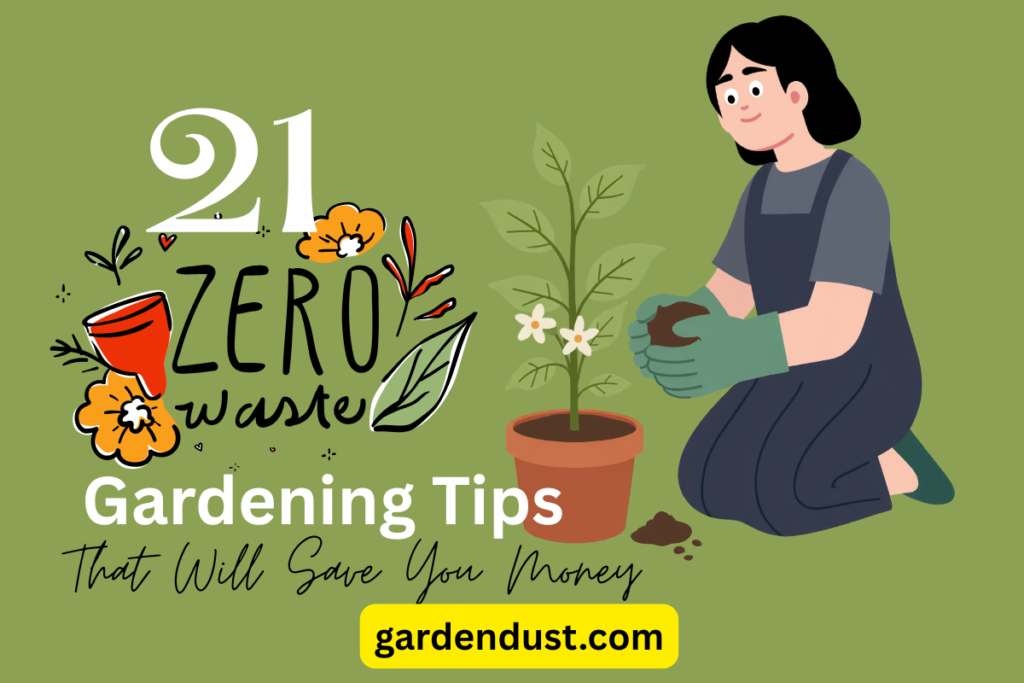
Zero-waste gardening is more than an eco-friendly trend — it’s a practical, budget-smart way to grow food and plants while reducing household expenses. With the rising cost of fertilizers, seeds, soil, pots, pesticides, and water, many home gardeners are searching for ways to maintain a productive garden without constantly spending money.
The core principle of zero-waste gardening is simple: reuse what you already have, reduce what you throw away, and recycle resources back into your soil. When you create a closed-loop system in your garden, waste becomes nourishment, and expenses drop significantly.
This comprehensive guide covers 21 practical zero-waste gardening tips that can dramatically cut gardening costs while improving soil health and plant productivity.
21 Zero-Waste Gardening Tips
1. Start Composting at Home
Composting is the foundation of zero-waste gardening. Instead of discarding kitchen scraps like vegetable peels, fruit waste, tea leaves, and coffee grounds, turn them into nutrient-rich compost.
Homemade compost improves soil fertility, enhances microbial activity, increases water retention, and reduces dependence on chemical fertilizers. Over time, your soil becomes healthier and more self-sustaining.
To maintain a good compost pile, balance “green” materials (food scraps) with “brown” materials (dry leaves, shredded cardboard, paper).
Cost-Saving Advantage: Producing compost at home eliminates the need for commercial fertilizers and soil conditioners while reducing household waste disposal costs.
READ ALSO :-8 Clever Ways to Reuse Weeds in the Garden
2. Use Kitchen Scraps Directly in the Garden
Some kitchen waste can be used directly without full composting:
- Banana peels for potassium
- Crushed eggshells for calcium
- Coffee grounds for nitrogen
- Vegetable rinse water for irrigation
- Chop scraps into smaller pieces to help them break down faster in the soil.
Cost-Saving Advantage: Using everyday kitchen waste reduces the need to purchase packaged organic fertilizers.
3. Collect and Store Rainwater
Water bills increase during summer gardening months. Installing a basic rainwater collection system using barrels or large containers can provide free irrigation water.
Rainwater is chlorine-free and better for plant growth. Even placing buckets outside during rainfall helps reduce dependency on tap water.
Cost-Saving Advantage: Harvesting rainwater significantly lowers monthly water bills during peak gardening seasons.
4. Reuse Household Items as Planters
You don’t need expensive ceramic or designer pots. Many household items can be repurposed:
- Plastic bottles
- Old buckets
- Tin cans
- Broken baskets
- Storage boxes
Just drill drainage holes before planting. This reduces plastic waste and saves significant money.
Cost-Saving Advantage:- Repurposing containers removes the need to buy new pots or grow bags every season.
5. Save Seeds for Next Season
Buying seeds every season adds up quickly. Instead, save seeds from healthy plants like tomatoes, chilies, beans, coriander, spinach, and marigolds.
Dry seeds thoroughly and store them in paper envelopes labeled with the date and plant name.
Cost-Saving Advantage: Seed saving eliminates recurring seasonal seed purchases and ensures a continuous garden supply.
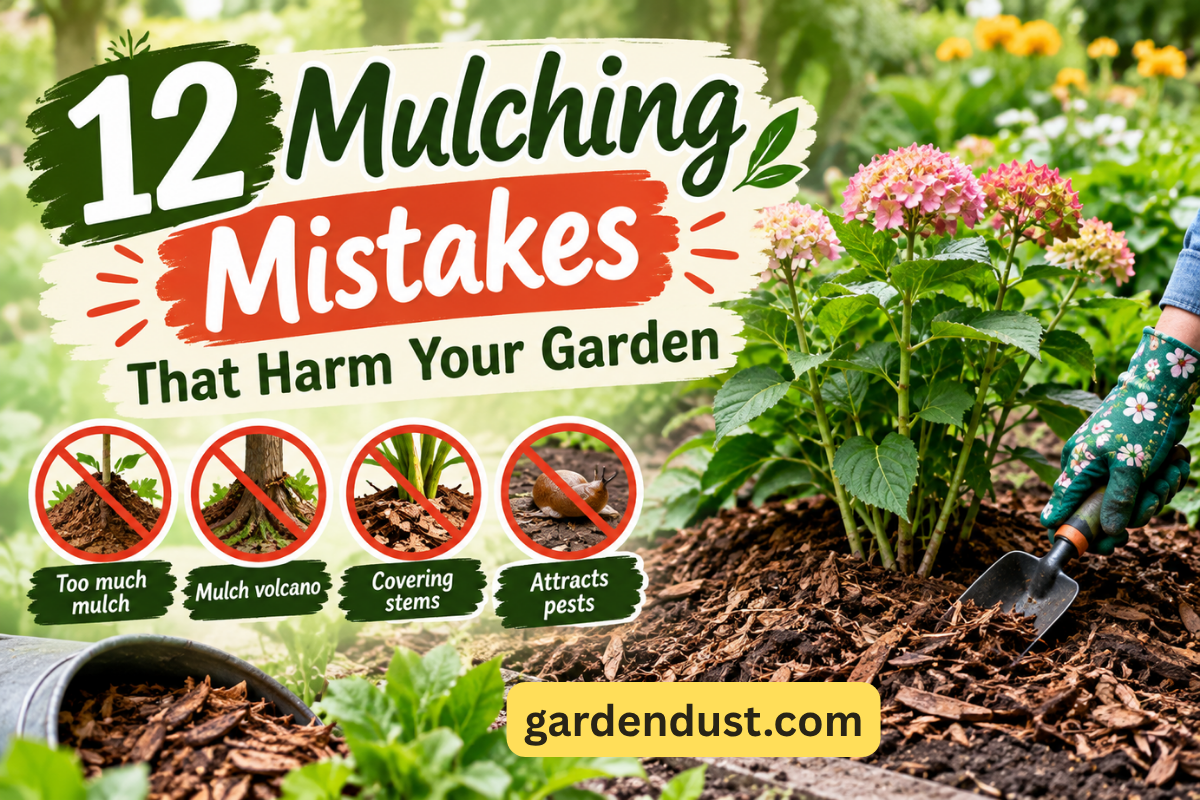
6. Mulch with Fallen Leaves
Instead of buying mulch, use dried leaves from your yard. Mulching:
- Retains moisture
- Reduces weeds
- Improves soil over time
- Lowers watering frequency
This is one of the simplest zero-waste gardening methods.
Cost-Saving Advantage: Leaf mulching reduces water usage and removes the need to buy commercial mulch or weed control products.
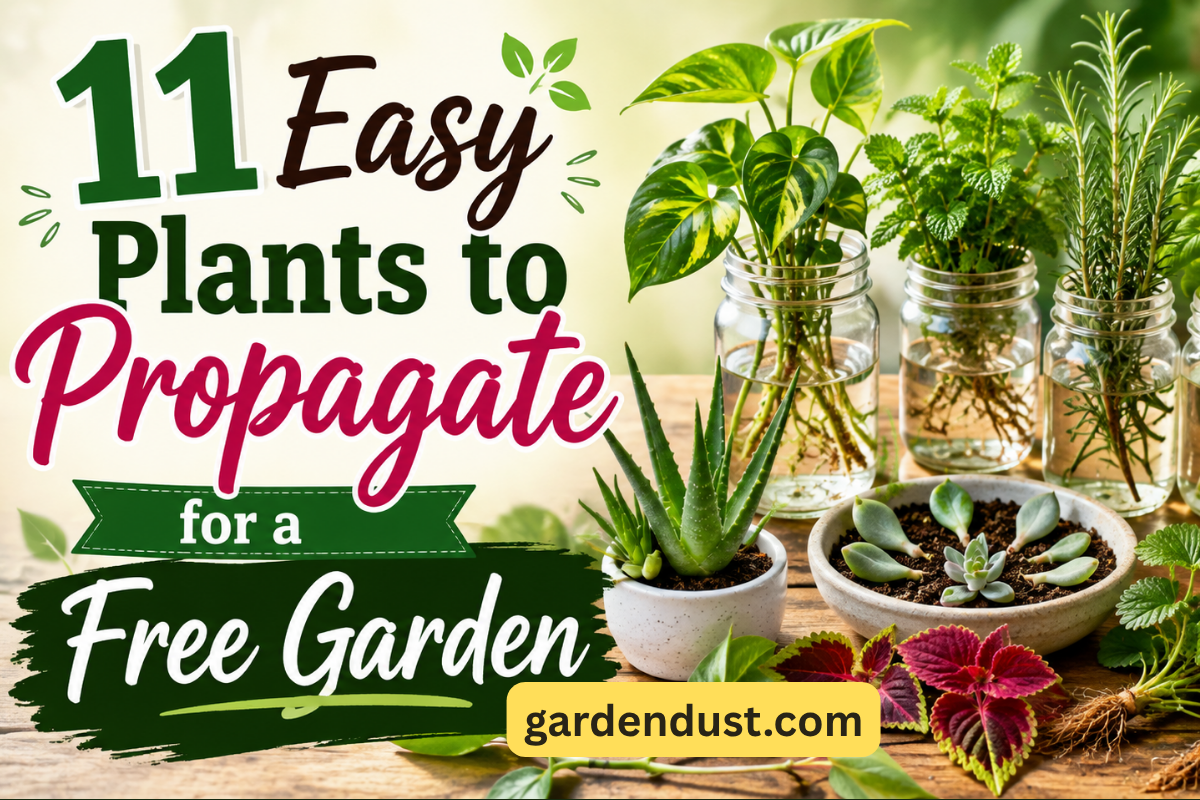
7. Propagate Plants from Cuttings
Many plants grow easily from cuttings — mint, basil, roses, money plant, succulents, and more.
Instead of buying new plants, propagate from existing ones or exchange cuttings with neighbors.
Cost-Saving Advantage: Propagation minimizes nursery purchases and expands your garden at zero additional cost.
8. Make Natural Pest Sprays
Avoid costly chemical pesticides by making natural alternatives using:
- Neem oil
- Garlic
- Chili powder
- Mild soap solution
Natural sprays are cheaper, safer, and environmentally friendly.
Cost-Saving Advantage: DIY pest control reduces spending on chemical insecticides and protects beneficial insects.
9. Regrow Vegetables from Scraps
Several vegetables regrow easily from kitchen leftovers:
- Green onions
- Lettuce
- Celery
- Coriander
- Garlic
Place the base in water until roots develop, then transfer to soil.
Cost-Saving Advantage: Regrowing vegetables lowers grocery expenses and reduces food waste.
10. Use Grass Clippings as Fertilizer
Fresh grass clippings are rich in nitrogen. Spread them thinly around plants or add them to compost.
Avoid using chemically treated lawn clippings.
Cost-Saving Advantage: Grass recycling replaces nitrogen fertilizers and improves soil fertility naturally.
11. Build Raised Beds from Reclaimed Materials
Use old wooden pallets, bricks, or leftover construction materials to create raised beds.
This eliminates the need to buy expensive pre-made beds.
Cost-Saving Advantage: Repurposed materials reduce garden infrastructure costs significantly.
12. Practice Companion Planting
Growing compatible plants together naturally reduces pests and improves growth.
Examples:
- Basil with tomatoes
- Marigold with vegetables
- Beans with corn
This reduces reliance on chemical fertilizers and pest sprays.
Cost-Saving Advantage: Companion planting reduces the need for chemical fertilizers and pest control products.
13. Repair Garden Tools Instead of Replacing Them
Sharpen blades, tighten screws, oil metal parts, and replace wooden handles instead of buying new tools.
Proper maintenance extends tool lifespan significantly.
Cost-Saving Advantage: Proper maintenance extends tool lifespan and prevents frequent replacement expenses.
14. Create Leaf Mold for Soil Improvement
Pile up fallen leaves in a corner and let them decompose naturally. Leaf mold improves soil structure and water retention.
It acts as a free soil conditioner.
Cost-Saving Advantage: Homemade leaf mold replaces store-bought soil conditioners.
15. Make DIY Drip Irrigation Systems
Reuse plastic bottles by poking small holes and burying them near plant roots for slow watering.
This reduces water wastage and saves money on irrigation systems.
Cost-Saving Advantage: DIY irrigation reduces water waste and avoids purchasing expensive drip systems.
16. Use Cardboard for Weed Suppression
Lay plain cardboard under mulch to block sunlight and prevent weeds from growing.
Remove tape and glossy parts before using.
Cost-Saving Advantage: Cardboard weed control eliminates the need for weed mats and chemical herbicides.
17. Make Your Own Potting Mix
Instead of buying branded potting soil, mix:
- Compost
- Garden soil
- Sand or cocopeat
This homemade blend works effectively for most plants.
Cost-Saving Advantage: Homemade potting mix significantly cuts costs compared to branded commercial soil blends.
18. Grow Perennial Vegetables
Perennial plants grow year after year without replanting. Examples include mint, curry leaves, asparagus, and certain spinach varieties.
They reduce the need to purchase seeds every season.
Cost-Saving Advantage: Perennial crops reduce recurring seed and planting costs over multiple seasons.
19. Use Broken Pots for Drainage
Instead of discarding cracked terracotta pots, break them into pieces and use them at the bottom of containers for drainage.
This prevents soil loss and improves aeration.
Cost-Saving Advantage: Reusing broken materials eliminates the need to buy gravel or drainage stones.
20. Share and Swap Within Your Community
Exchange seeds, tools, compost, and cuttings with neighbors or join local gardening groups.
Community sharing dramatically reduces gardening expenses.
Cost-Saving Advantage: Community sharing reduces expenses on seeds, plants, and gardening supplies.
21. Plan Crops According to Season
Growing plants suited to your climate and season prevents failure and waste.
Research local growing calendars to ensure higher success rates and avoid wasting seeds and resources.
Cost-Saving Advantage: Seasonal planning prevents wasted seeds, soil, and water resources.
Long-Term Financial Benefits of Zero-Waste Gardening
When practiced consistently, zero-waste gardening:
- Reduces fertilizer expenses
- Cuts water bills
- Lowers grocery costs
- Decreases need for pest control
- Minimizes waste disposal
- Builds long-term soil fertility
Over time, your garden becomes self-sustaining. Healthy soil requires fewer inputs, plants become stronger, and maintenance costs decrease year after year.
Final Thoughts
Zero-waste gardening is not about perfection — it’s about awareness and smart resource management. Start small. Compost one bucket. Save one batch of seeds. Reuse one container. Gradually, these habits create a powerful impact.
By following these 21 zero-waste gardening tips, you can grow a thriving garden while protecting both your wallet and the planet.
Sustainable gardening isn’t expensive — waste is. Happy Gardening…..